B+ mushroom spores originate from the Psilocybe cubensis strain first developed and popularized in the 1990s. This strain gained recognition in microscopy research for its distinctive spore morphology and consistent characteristics, making it a trusted reference specimen for both amateur and professional mycologists. Named perhaps for the optimistic "Be Positive" slogan, B+ spores present unique microscopic features that help distinguish them within the Psilocybe cubensis species, supporting detailed fungal taxonomy and morphology studies.
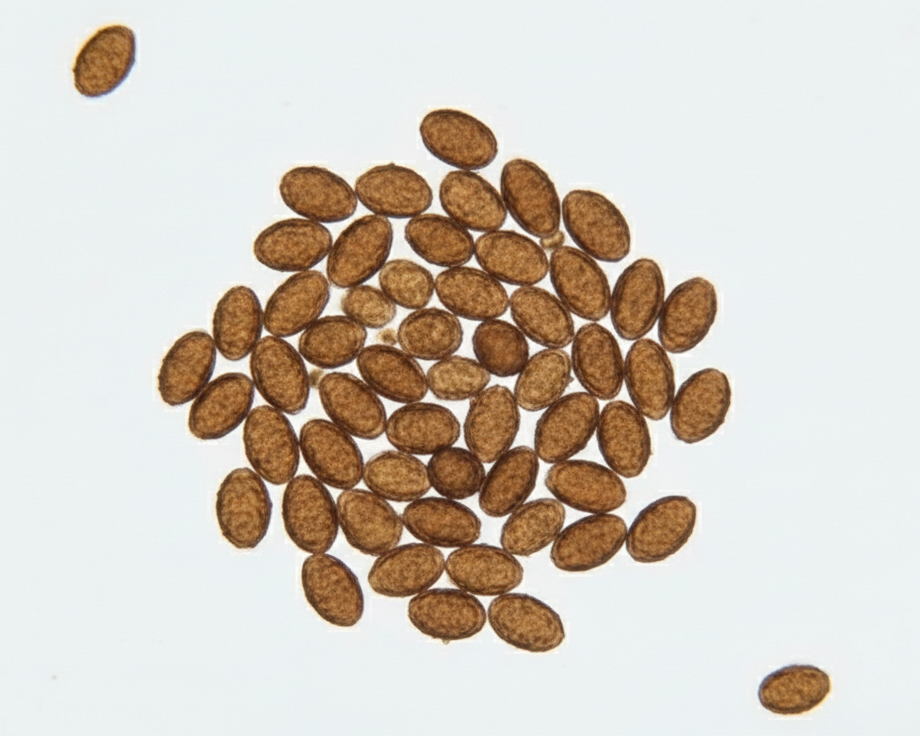
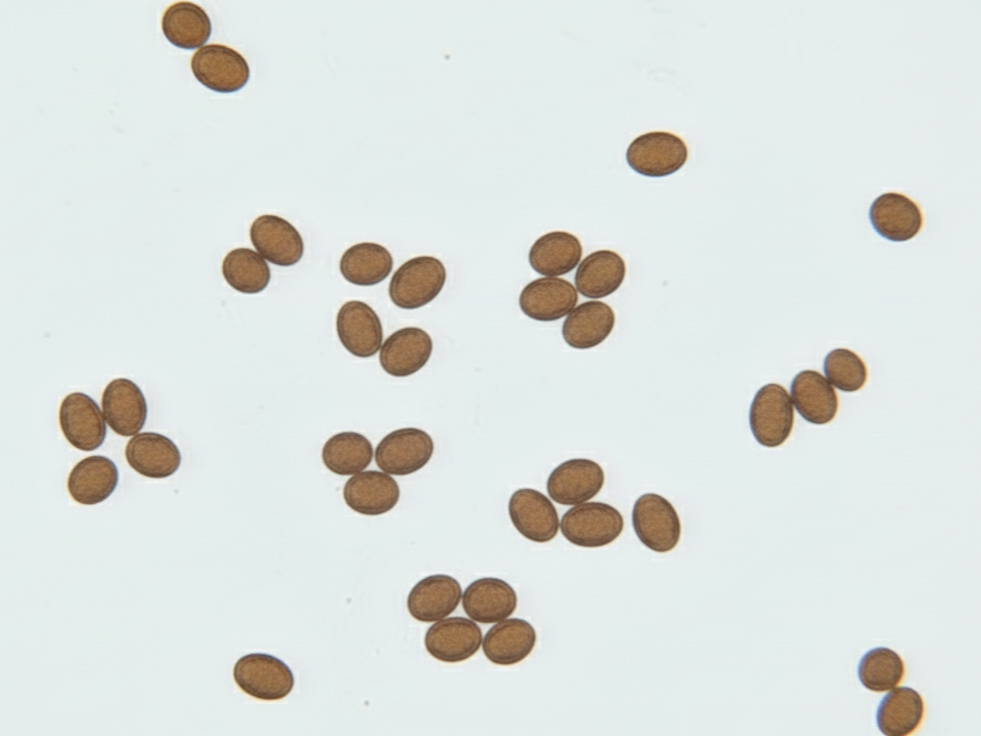
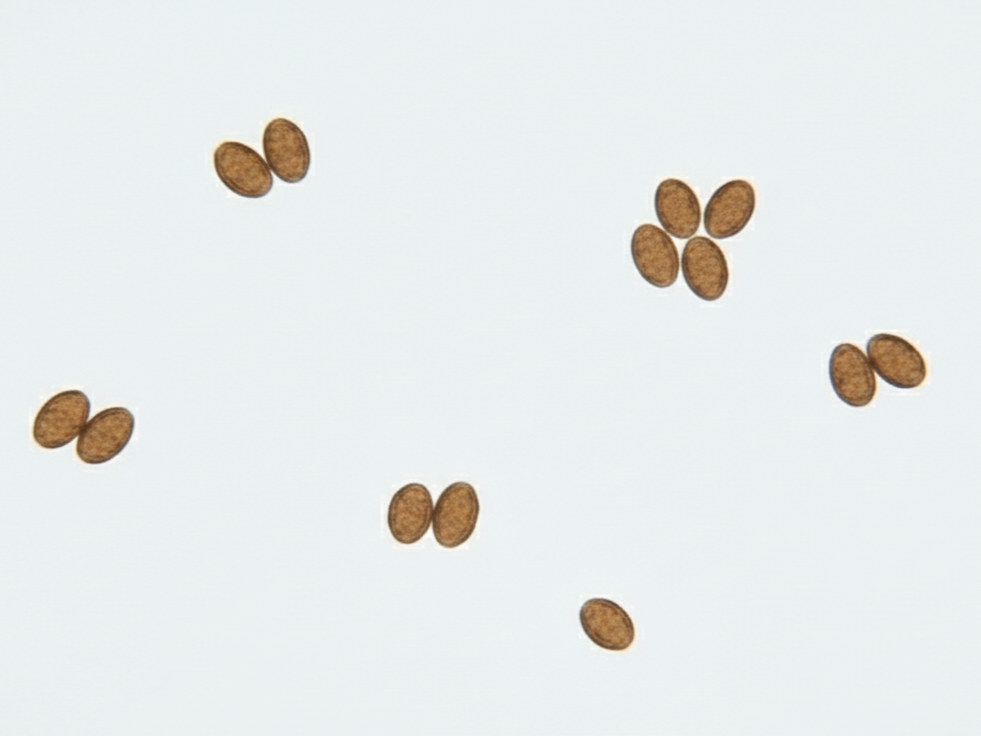
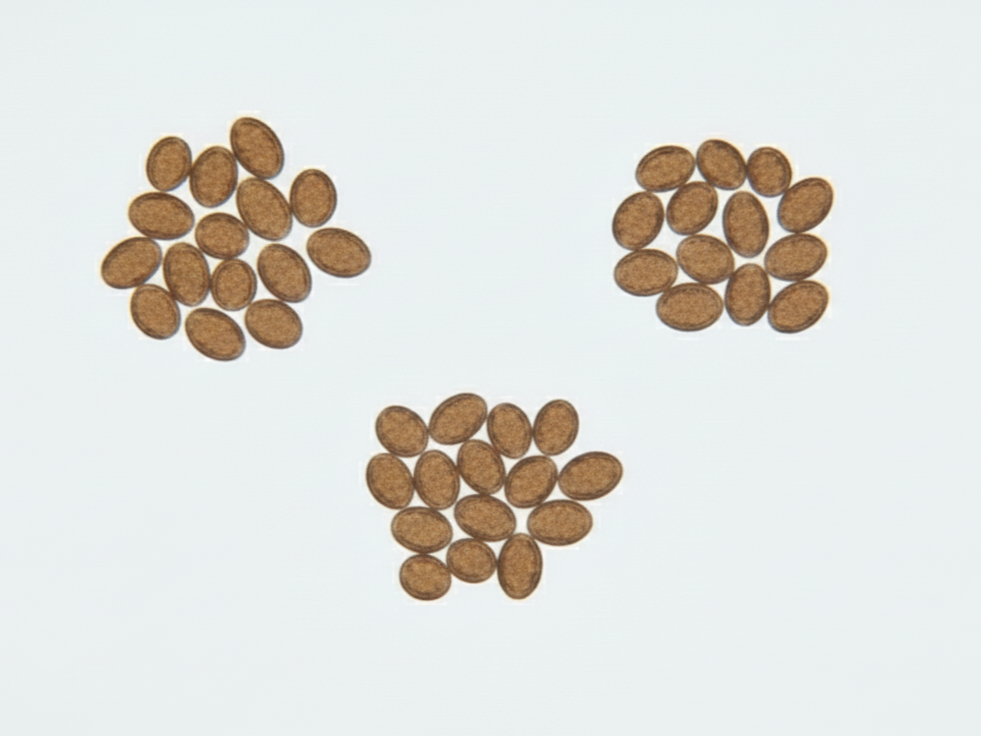
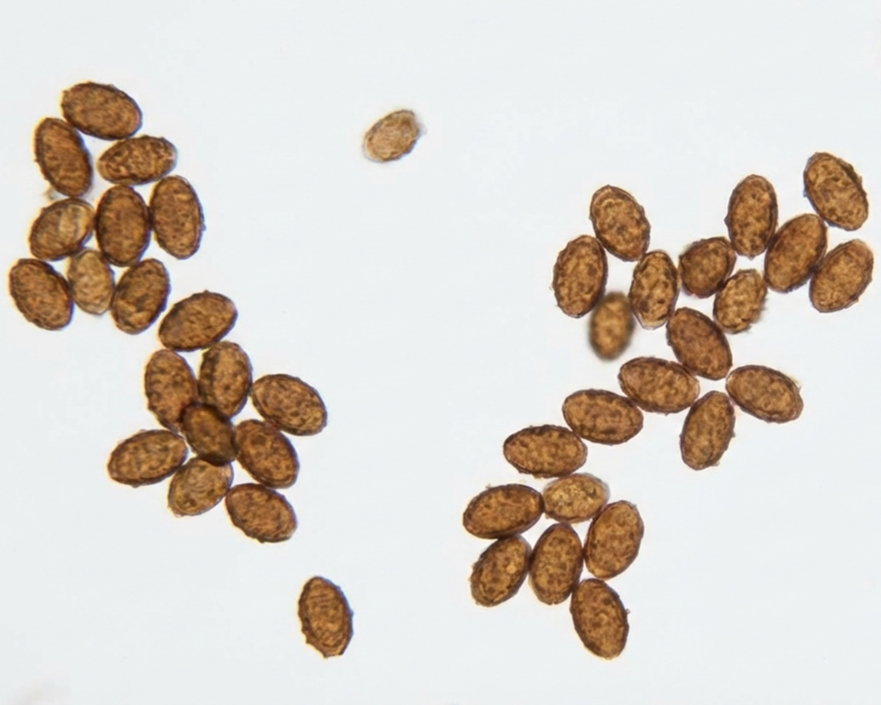
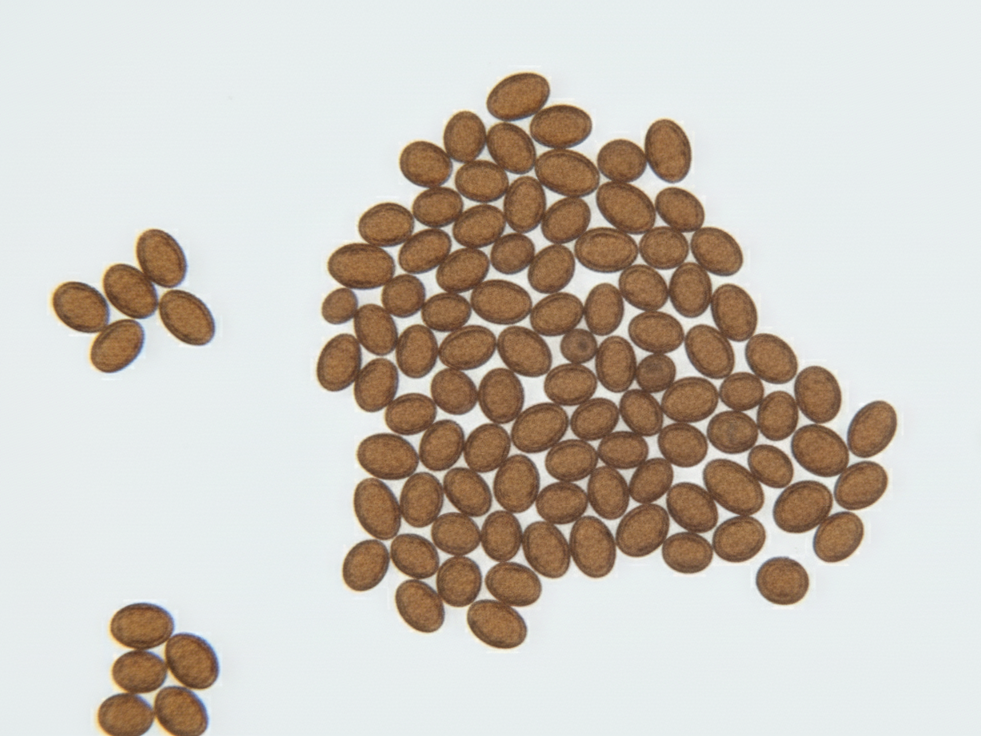
Morphologically, B+ spores tend to be slightly larger than average, ranging from 11.5 to 18 micrometers in length and 8 to 12 micrometers in width, with a dark purple-brown coloration. They display a smooth, moderately thick cell wall and a pronounced germ pore, which is particularly visible under microscopy lighting. The spores exhibit slight variations in shape from ellipsoid to subellipsoid and have a clearly defined apiculus, enabling precise identification and comparative research.
B+ spores are highly valued for microscopy and educational research purposes. They provide clear, consistent spore morphology ideal for developing microscopy skills, fungal identification, and taxonomic classification. These spores are sold exclusively for microscopy and educational use, offering a reliable specimen for scientific study and mycology education.
B+ mushroom spores originate from the Psilocybe cubensis strain first developed and popularized in the 1990s. This strain gained recognition in microscopy research for its distinctive spore morphology and consistent characteristics, making it a trusted reference specimen for both amateur and professional mycologists. Named perhaps for the optimistic "Be Positive" slogan, B+ spores present unique microscopic features that help distinguish them within the Psilocybe cubensis species, supporting detailed fungal taxonomy and morphology studies.
Morphologically, B+ spores tend to be slightly larger than average, ranging from 11.5 to 18 micrometers in length and 8 to 12 micrometers in width, with a dark purple-brown coloration. They display a smooth, moderately thick cell wall and a pronounced germ pore, which is particularly visible under microscopy lighting. The spores exhibit slight variations in shape from ellipsoid to subellipsoid and have a clearly defined apiculus, enabling precise identification and comparative research.
B+ spores are highly valued for microscopy and educational research purposes. They provide clear, consistent spore morphology ideal for developing microscopy skills, fungal identification, and taxonomic classification. These spores are sold exclusively for microscopy and educational use, offering a reliable specimen for scientific study and mycology education.