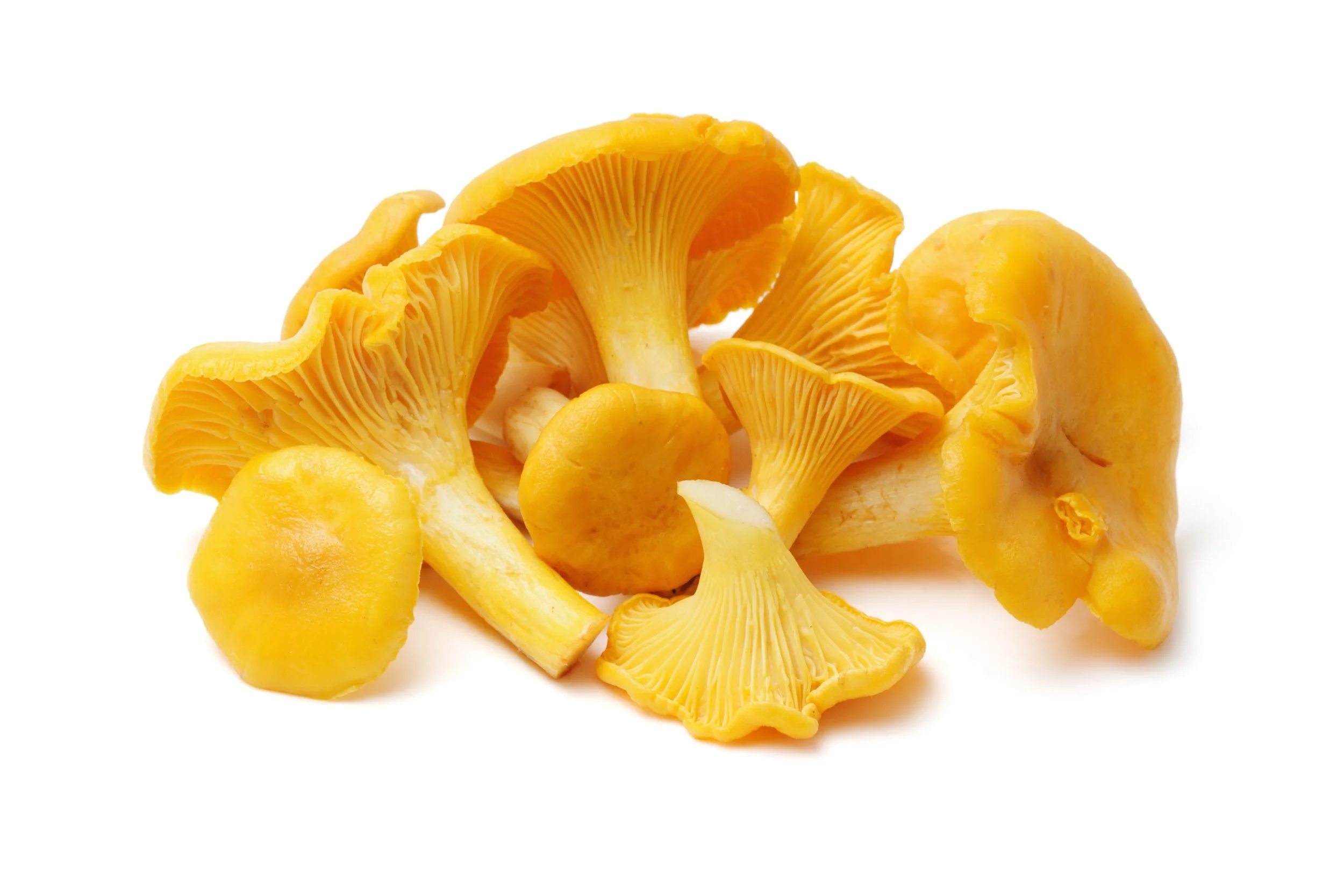
Yellow chanterelles (Cantharellus cibarius) establish a mycorrhizal symbiosis with host trees, making outdoor woodland cultivation the only viable method for this prized species. Unlike cultivated gourmet mushrooms, chanterelle fruiting depends on building a stable relationship between mycelium and tree roots—a process that requires patience, proper site selection, and careful inoculation technique. While results are not guaranteed, strategic placement and minimal soil disturbance can substantially increase your success rate.
Select a cool, shaded location within an established coniferous or mixed woodland environment, ideally beneath mature pine or broadleaf trees. The ideal habitat features:
Soil composition: Well-drained, slightly acidic soil rich in organic matter
Moisture level: Consistently damp conditions with natural moss and leaf litter coverage year-round
Environment: Minimal foot traffic and no planned soil cultivation or heavy disturbance
Microclimate: Protection from direct sunlight and exposure to natural rainfall
Step 1: Prepare Your Hardwood Substrate
Use the Yellow Chanterelle liquid culture syringe to inoculate our premium hardwood mushroom substrate according to the included instructions. Allow the inoculated substrate to fully colonise indoors at 19–26°C, typically requiring 3–6 weeks. You will know colonisation is complete when the substrate turns white with mycelial growth and shows no signs of contamination.
Step 2: Select & Prepare Your Outdoor Site
Once fully colonised, identify suitable planting locations in your woodland environment—cool, shaded areas beneath established pine or broadleaf trees where soil remains naturally damp. Carefully dig small holes or shallow trenches positioned directly around established tree root zones, as this maximises contact between your inoculum and the host tree's mycorrhizal network.
Step 3: Transplant the Colonised Substrate
Gently crumble handfuls of your fully colonised hardwood substrate directly into the prepared holes and trenches. Work carefully to avoid breaking apart the mycelial network. Immediately cover the inoculated areas lightly with native soil, fallen leaf litter, and moss to maintain moisture, protect the mycelium from UV exposure, and create an environment that mimics natural forest conditions.
Step 4: Monitor & Maintain
Keep the inoculated zones consistently moist throughout the growing season, particularly during dry spells, while avoiding waterlogging. Do not disturb these areas with raking, digging, or heavy mulching. Chanterelle establishment typically requires multiple seasons before fruiting begins, and production may remain sporadic even in ideal conditions.
Each order contains everything needed to begin your chanterelle cultivation project:
10 ml liquid culture syringe – Contains active Yellow Chanterelle mycelium ready for inoculation
Sterile alcohol wipe – For sanitising your inoculation needle and work surface
18G sterile needle – Precision injection tool for inoculating substrate or grow kits
Protective packaging – All items sealed in a resealable zip-lock bag to maintain sterility
Liquid culture is a nutrient-rich solution made from distilled water combined with sugars such as light malt extract, dextrose or honey, providing an ideal food source for mycelium. The mycelium in the liquid culture acts like a “mushroom seed” and can be used to inoculate a grow kit or hardwood substrate, allowing you to expand the mycelium and begin the mushroom growth process.
For optimal mycelium viability and vigorous growth, use your Yellow Chanterelle liquid culture as soon as possible after receipt. If immediate inoculation is not possible, store the sealed syringe in a refrigerator (2–4°C) and use within 3 months.
All liquid cultures at Artisan Mushrooms are prepared fresh to order in our sterile laboratory using laminar flow hood technology. This ensures contaminant-free cultures and professional packaging for reliable cultivation results.
Yellow chanterelles (Cantharellus cibarius) establish a mycorrhizal symbiosis with host trees, making outdoor woodland cultivation the only viable method for this prized species. Unlike cultivated gourmet mushrooms, chanterelle fruiting depends on building a stable relationship between mycelium and tree roots—a process that requires patience, proper site selection, and careful inoculation technique. While results are not guaranteed, strategic placement and minimal soil disturbance can substantially increase your success rate.
Select a cool, shaded location within an established coniferous or mixed woodland environment, ideally beneath mature pine or broadleaf trees. The ideal habitat features:
Soil composition: Well-drained, slightly acidic soil rich in organic matter
Moisture level: Consistently damp conditions with natural moss and leaf litter coverage year-round
Environment: Minimal foot traffic and no planned soil cultivation or heavy disturbance
Microclimate: Protection from direct sunlight and exposure to natural rainfall
Step 1: Prepare Your Hardwood Substrate
Use the Yellow Chanterelle liquid culture syringe to inoculate our premium hardwood mushroom substrate according to the included instructions. Allow the inoculated substrate to fully colonise indoors at 19–26°C, typically requiring 3–6 weeks. You will know colonisation is complete when the substrate turns white with mycelial growth and shows no signs of contamination.
Step 2: Select & Prepare Your Outdoor Site
Once fully colonised, identify suitable planting locations in your woodland environment—cool, shaded areas beneath established pine or broadleaf trees where soil remains naturally damp. Carefully dig small holes or shallow trenches positioned directly around established tree root zones, as this maximises contact between your inoculum and the host tree's mycorrhizal network.
Step 3: Transplant the Colonised Substrate
Gently crumble handfuls of your fully colonised hardwood substrate directly into the prepared holes and trenches. Work carefully to avoid breaking apart the mycelial network. Immediately cover the inoculated areas lightly with native soil, fallen leaf litter, and moss to maintain moisture, protect the mycelium from UV exposure, and create an environment that mimics natural forest conditions.
Step 4: Monitor & Maintain
Keep the inoculated zones consistently moist throughout the growing season, particularly during dry spells, while avoiding waterlogging. Do not disturb these areas with raking, digging, or heavy mulching. Chanterelle establishment typically requires multiple seasons before fruiting begins, and production may remain sporadic even in ideal conditions.
Each order contains everything needed to begin your chanterelle cultivation project:
10 ml liquid culture syringe – Contains active Yellow Chanterelle mycelium ready for inoculation
Sterile alcohol wipe – For sanitising your inoculation needle and work surface
18G sterile needle – Precision injection tool for inoculating substrate or grow kits
Protective packaging – All items sealed in a resealable zip-lock bag to maintain sterility
Liquid culture is a nutrient-rich solution made from distilled water combined with sugars such as light malt extract, dextrose or honey, providing an ideal food source for mycelium. The mycelium in the liquid culture acts like a “mushroom seed” and can be used to inoculate a grow kit or hardwood substrate, allowing you to expand the mycelium and begin the mushroom growth process.
For optimal mycelium viability and vigorous growth, use your Yellow Chanterelle liquid culture as soon as possible after receipt. If immediate inoculation is not possible, store the sealed syringe in a refrigerator (2–4°C) and use within 3 months.
All liquid cultures at Artisan Mushrooms are prepared fresh to order in our sterile laboratory using laminar flow hood technology. This ensures contaminant-free cultures and professional packaging for reliable cultivation results.