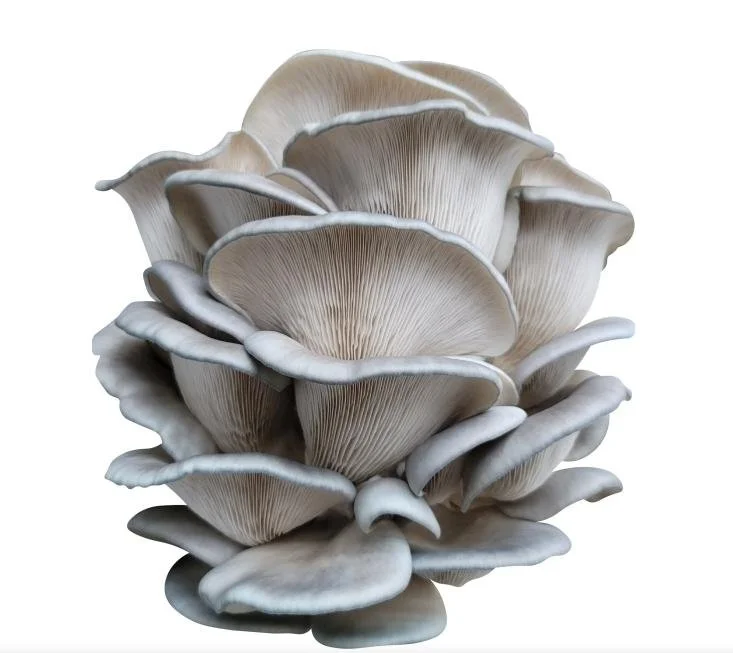
 Image 1 of 3
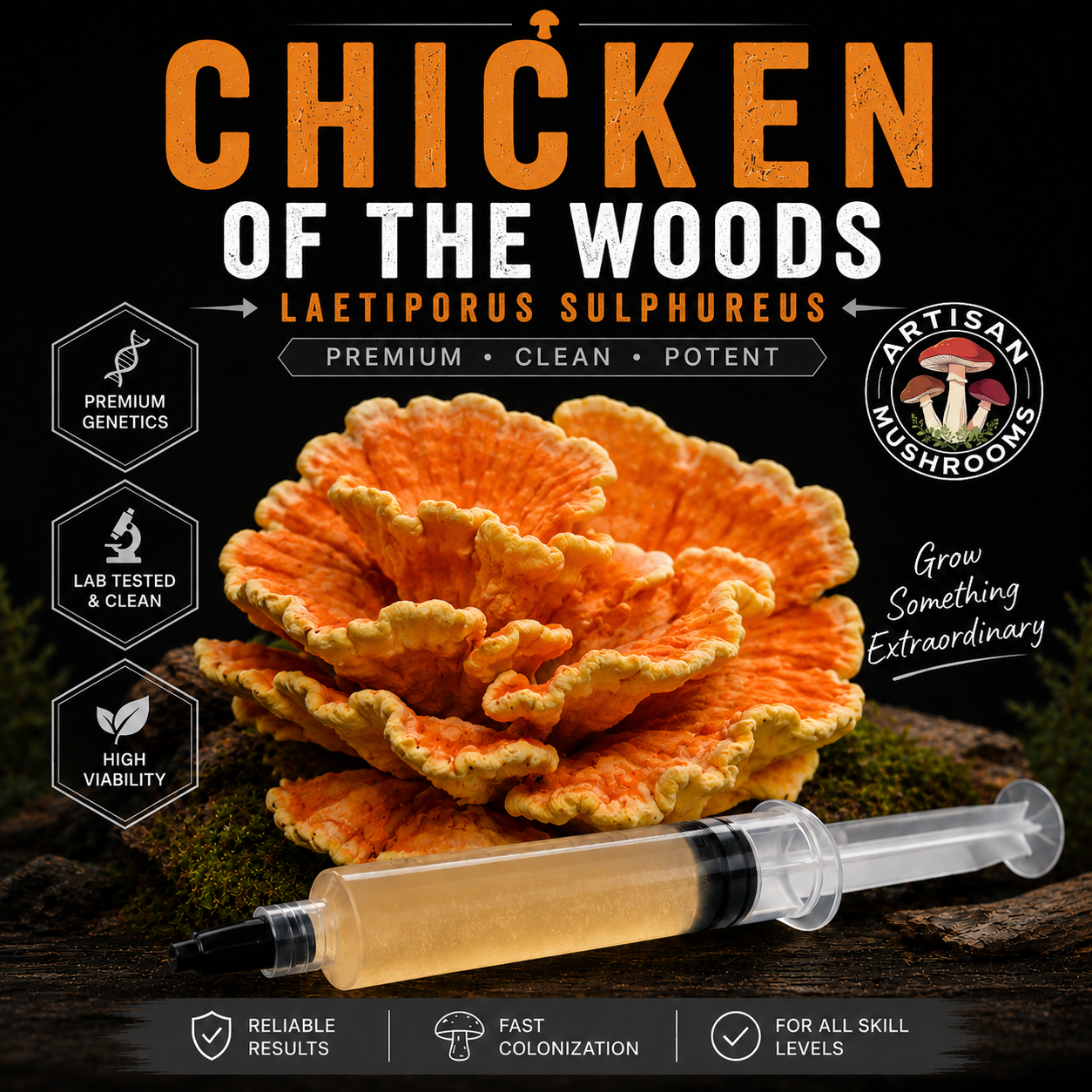
 Image 2 of 3
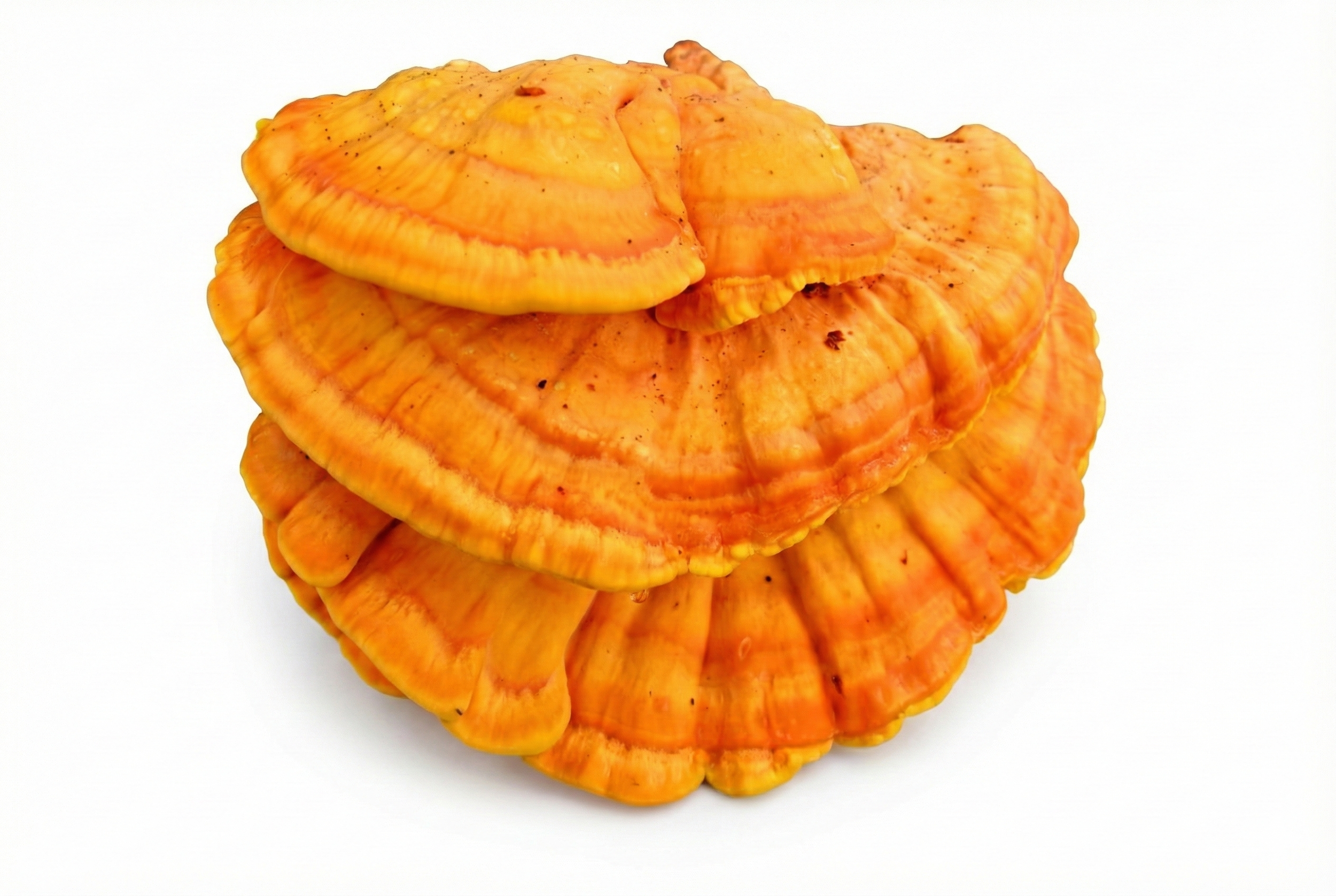 Image 3 of 3
Chicken of the Woods Liquid Culture FAQ
What is the scientific name of Chicken of the Woods?
The scientific name for Chicken of the Woods is Laetiporus sulphureus.
It is also commonly known as Sulphur Shelf or Sulphur Polypore.
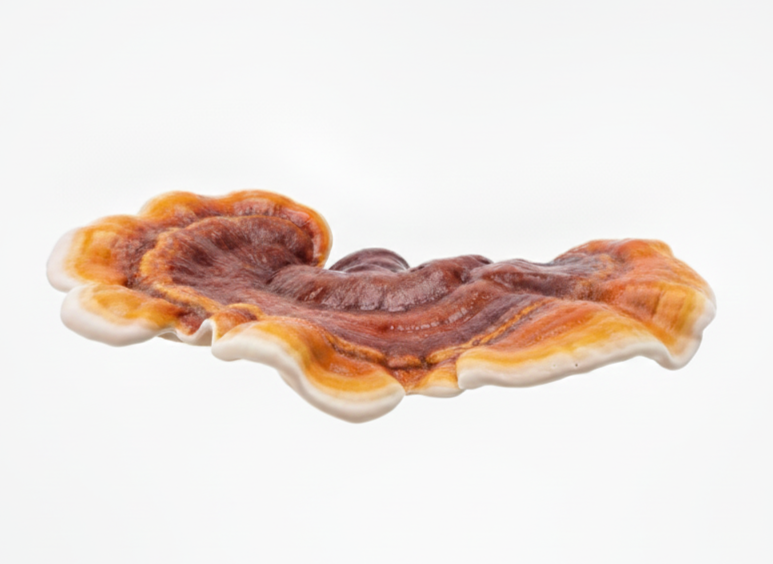
Chicken of the Woods produces striking clusters of overlapping orange and yellow shelves. Unlike gilled mushrooms, it produces spores through fine pores on the underside of its fruiting bodies.
It is a wood-decaying species that naturally grows from hardwood trunks, logs and stumps.
Why is it called Chicken of the Woods?
Chicken of the Woods gets its name from the firm texture of its young fruiting bodies, which is sometimes compared with cooked chicken.
It is also one of the most visually recognisable woodland mushrooms because of its bright yellow and orange colouring and large shelf-like clusters.
The name refers to its appearance and culinary reputation. It does not mean that the mushroom contains chicken or other animal-derived ingredients.
What substrate is best for growing Chicken of the Woods?
Chicken of the Woods grows on hardwood-based substrates.
Suitable indoor cultivation materials include:
Supplemented hardwood sawdust
Oak sawdust
Mixed deciduous hardwood sawdust
Hardwood pellets
Dense hardwood blocks
Sterilised hardwood chips
Hardwood sawdust combined with an appropriate nutrient supplement
Our 2kg Sterilised Hardwood and Wheat Bran Substrate provides a prepared hardwood-based medium for culture expansion and experimental Chicken of the Woods block cultivation.
Chicken of the Woods is sensitive to substrate composition, moisture and strain genetics. A hardwood block may colonise successfully without producing mushrooms, so fruiting should not be considered guaranteed.
The species can also be cultivated experimentally on dead hardwood logs and stumps.
Can I inoculate a hardwood grow bag directly?
Yes. Chicken of the Woods liquid culture can be injected directly into our Sterile Hardwood Mushroom Grow Bag through its self-healing injection port.
The bag contains sterilised hardwood substrate supplemented with wheat bran, providing both woody material and additional nutrition.
After inoculation, leave the bag sealed while the mycelium colonises and consolidates the substrate.
Direct inoculation is a convenient method, but Chicken of the Woods is not as reliably domesticated as Oyster mushrooms, Lion’s Mane or Shiitake. The bag should therefore be described as suitable for culture expansion and experimental fruiting rather than a guaranteed fruiting block.
Producing grain spawn first can distribute the mycelium more evenly through a separate hardwood substrate.
Can Chicken of the Woods liquid culture be used on grain?
Yes. Sterilised grain can be used to produce Chicken of the Woods grain spawn.
The liquid culture can be injected into our 2kg Sterilised Wheat Grain Bag and allowed to colonise the grain.
Once fully colonised, the grain spawn can be mixed with:
Sterilised hardwood sawdust
Supplemented hardwood substrate
Hardwood chips prepared for indoor cultivation
A dense artificial hardwood block
Sawdust spawn intended for dead-log inoculation
Grain is normally used as a culture-expansion medium rather than the final Chicken of the Woods fruiting substrate.
Allow the grain to become fully colonised before transferring it to hardwood material.
Do you sell sterilised grain and hardwood substrate?
Yes. We offer pre-sterilised wheat grain bags, sterilised hardwood and wheat bran substrate, and ready-to-inoculate hardwood grow bags.
Using prepared grain and hardwood substrate removes the need to hydrate, mix and pressure sterilise the growing media yourself.
A typical grain-to-hardwood process is:
Inoculate a pre-sterilised wheat grain bag with Chicken of the Woods liquid culture.
Allow the grain to become fully colonised.
Mix the colonised grain spawn with sterilised hardwood and wheat bran substrate.
Allow the hardwood substrate to colonise completely.
Give the block additional time to consolidate.
Apply an appropriate cold or hydration shock.
Keep the block mostly sealed during early fruiting induction.
Provide suitable temperatures, humidity, light and fresh-air exchange.
Make a small controlled opening beside developing primordia when required.
Harvest the shelves while they remain young, tender and brightly coloured.
Alternatively, inject the culture directly into our Sterile Hardwood Mushroom Grow Bag.
Is Chicken of the Woods suitable for beginners?
Chicken of the Woods is better suited to experienced or experimental growers.
The culture may colonise grain and hardwood successfully, but producing mature fruiting bodies can be considerably more difficult.
Successful fruiting depends on factors including:
Strain genetics
Hardwood species
Substrate supplementation
Moisture content
Block density
Complete colonisation
Maturation time
Cold or hydration shock
Fresh-air exchange
Humidity
Physical support for the fruiting bodies
Published cultivation trials have produced mature Chicken of the Woods mushrooms, but other trials have produced only primordia that later stopped developing.
Beginners can still use the culture for agar work, grain-spawn production and experimental hardwood cultivation, provided they understand that fruiting is not guaranteed.
How should I store the liquid culture?
Keep the Chicken of the Woods liquid culture syringe refrigerated at approximately 2°C to 4°C until you are ready to use it. Do not freeze it.
For the best viability, use the culture within three months of receiving it.
Before inoculation, allow the syringe to move closer to room temperature and shake it gently to distribute the mycelium throughout the nutrient solution.
Always keep the protective cap fitted while the syringe is in storage. Attach a new sterile needle immediately before inoculating grain, agar or a hardwood grow bag.
How much liquid culture should I use?
The amount of liquid culture required depends on the size and type of growing medium.
For one of our sterile LME agar plates, one or two small drops are normally sufficient.
A small grain jar may require approximately 1 to 2 ml.
When inoculating our 2kg Sterilised Wheat Grain Bag or Sterile Hardwood Mushroom Grow Bag, approximately 5 to 10 ml can be used.
Using too much liquid culture can introduce unnecessary moisture and increase the risk of bacterial contamination.
Chicken of the Woods can be sensitive to excessive substrate moisture, so do not add additional water during inoculation unless the substrate has been specifically formulated to require it.
Does the syringe contain mushroom spores?
No. Chicken of the Woods liquid culture contains living Laetiporus sulphureus mycelium suspended in a sterile nutrient solution.
It is not a mushroom spore solution.
Because the mycelium is already established, the culture can begin colonising a suitable medium without waiting for spores to germinate.
It can be used to inoculate sterilised grain, hardwood substrate or a sterile LME agar plate.
Can I test Chicken of the Woods liquid culture on agar?
Yes. Agar testing is recommended before inoculating a large quantity of grain or hardwood substrate.
Place one or two small drops onto one of our sterile LME agar plates.
Keep the plate sealed and monitor it for clean mycelial growth.
Healthy growth should spread away from the inoculation point without developing green, black, pink or other unusual colours.
Do not open a colonised plate outside a clean working environment. Airborne mould spores and bacteria can quickly contaminate exposed agar.
What conditions does Chicken of the Woods need to colonise?
Chicken of the Woods mycelium generally grows well under warm, stable conditions.
Suitable starting conditions include:
Temperatures of approximately 23°C to 28°C
Darkness or low ambient light
A clean and stable incubation area
Filtered gas exchange
No direct sunlight
Properly hydrated substrate
Minimal disturbance during early colonisation
Research has found strong mycelial growth between approximately 25°C and 30°C, although prolonged temperatures around 30°C can increase the risk of overheating or bacterial contamination in large bags.
A practical home-growing range of approximately 23°C to 28°C provides warmth without pushing the substrate towards excessive temperatures.
The growing mycelium produces heat, so the centre of a large bag may be warmer than the surrounding room.
What does healthy Chicken of the Woods mycelium look like?
Healthy Chicken of the Woods mycelium can appear white, cream or pale yellow.
As the culture develops, it may form:
Fine white growth through grain or sawdust
Denser pale patches
Yellow or orange pigmentation
A thick surface layer
Foamy or gelatinous-looking growth near the top of a block
A less compact internal structure than Oyster mushroom mycelium
Chicken of the Woods does not always form the dense, solid white block produced by other cultivated mushrooms.
Yellow or orange colouring can be normal for this species. However, unpleasant smells, slimy grain, spreading green mould or rapidly collapsing substrate may indicate contamination.
How long does Chicken of the Woods take to colonise?
Colonisation time depends heavily on the strain, temperature, inoculation rate and substrate formulation.
A grain bag may show visible growth within several days or weeks and may require approximately two to six weeks to colonise.
A supplemented hardwood block may require approximately four to twelve weeks or longer.
Some well-formulated experimental substrates have colonised rapidly, while unsuitable hardwood mixtures have shown little or no growth even after several months.
Allow the substrate to become fully colonised before attempting to induce fruiting.
Do not rely only on the visible outer surface. The inside of the block must also be colonised sufficiently to support mushroom development.
Does Chicken of the Woods need a maturation period?
Yes. A fully colonised block may benefit from additional time to consolidate before fruiting is attempted.
During this stage, the mycelium continues breaking down the hardwood and building sufficient resources for mushroom formation.
Keep the bag sealed and maintain suitable filtered gas exchange.
A consolidated block should show established growth throughout the substrate. It should not contain large loose, wet or completely uncolonised areas.
The exact maturation period is strain-dependent. Some cultures may respond shortly after colonisation, while others require a longer incubation period.
Does Chicken of the Woods need a cold shock?
A cold or hydration shock can help trigger fruiting in a mature Chicken of the Woods block.
Published cultivation methods have successfully used:
Cooling a sealed colonised block to approximately 2°C to 4°C for about 24 hours
Introducing cool sterile water through a protected inoculation or filter point
Moving the block from warm incubation into cooler fruiting conditions
For home cultivation, the simplest method is normally to place the fully colonised and mature sealed bag in a refrigerator for approximately 24 hours.
Do not freeze the block.
After cold treatment, move the block into suitable fruiting conditions with gentle light and good fresh-air exchange.
Do not cold-shock a partially colonised, contaminated or structurally weak block.
Should I soak the block?
Chicken of the Woods cultivation research has used cool-water treatment to trigger fruiting.
However, soaking an exposed block can introduce contamination and may add excessive moisture.
A sealed-block cold shock is usually safer for home growers than removing the plastic and submerging the entire substrate.
When using a grow bag:
Confirm that the substrate is fully colonised and mature.
Keep the bag sealed.
Refrigerate it for approximately 24 hours without freezing it.
Return it to a suitable fruiting area.
Watch for yellow primordia near the filter or bag surface.
Make only a small opening when developing growth requires additional space.
Do not pour unsterilised water directly into the bag.
What conditions does Chicken of the Woods need to fruit?
Chicken of the Woods fruiting conditions are not fully standardised and can vary considerably between strains.
Practical starting conditions include:
Temperatures of approximately 20°C to 24°C
Relative humidity of approximately 75% to 90%
Regular fresh-air exchange
Gentle indirect daylight or artificial lighting
A stable environment without direct sunlight
A block that has been fully colonised and consolidated
A controlled cold or hydration shock
Avoid continuously soaking the developing primordia.
Humidity should be high enough to prevent drying, but the block should not remain dripping wet.
Fresh-air exchange is important for normal shelf development. However, exposing a large area of substrate too early can increase contamination risk.
A digital thermometer and hygrometer can help monitor the environment throughout colonisation and fruiting.
How should the grow bag be opened for fruiting?
Keep the block mostly sealed during initial fruiting induction.
Chicken of the Woods substrate can be vulnerable to contamination when a large surface is exposed. Published trials found that fully opening or cutting colonised blocks sometimes allowed competing moulds to overrun the exposed area.
A cautious method is:
Allow the block to colonise and mature completely.
Apply a sealed cold shock.
Return the bag to suitable fruiting conditions.
Watch for bright yellow or orange primordia.
Make a small slit immediately beside the developing growth.
Leave the remainder of the substrate covered.
Increase fresh-air exchange while maintaining suitable humidity.
If primordia appear near the filter patch, avoid damaging them while opening the bag.
Do not remove all the plastic from the block unless you are using a proven cultivation method and a very clean fruiting environment.
What do Chicken of the Woods primordia look like?
Young Chicken of the Woods primordia often appear as small, bright yellow nodules or irregular yellow-orange growths.
They may initially look like:
Rounded yellow bumps
Small orange nodules
A folded or brain-like mass
Soft, irregular growth near the bag surface
Several yellow points merging into one cluster
As they develop, the primordia should begin flattening and separating into overlapping shelves.
Do not handle or cut apart young primordia. They can be delicate and may stop developing if damaged or allowed to dry.
Why has my block colonised but not produced mushrooms?
A fully colonised Chicken of the Woods block may fail to fruit because:
The strain is not responsive under the conditions provided.
The block has not matured for long enough.
The substrate composition is unsuitable.
The substrate is too wet or too dry.
Insufficient nutrition was included.
No cold or hydration shock was provided.
Fruiting temperatures are unsuitable.
Fresh-air exchange is inadequate.
The block lacks physical support.
The internal substrate is not fully colonised.
The culture has weakened through repeated expansion.
Competing organisms are present.
Chicken of the Woods is an advanced cultivation species.
Successful colonisation confirms that the mycelium is growing, but it does not guarantee mature fruiting bodies.
Why have the primordia stopped growing?
Chicken of the Woods primordia may form and then stop developing because of:
Low humidity
Excessive surface drying
Insufficient fresh-air exchange
Fruiting temperatures that are too warm
Temperatures that remain too stable
Excessive carbon dioxide
Inadequate lighting
A substrate that is too wet
Insufficient nutrition
Lack of structural support
Strain-specific fruiting limitations
Check that the primordia remain moist but not wet.
Increase fresh-air exchange gradually and provide gentle indirect light. Avoid placing the developing growth directly in strong airflow.
Published cultivation experiments have sometimes produced primordia without mature mushrooms, even when humidity and temperature appeared suitable.
Why is the fruiting body pulling away from the substrate?
Chicken of the Woods mushrooms can become heavy while the underlying mycelium remains relatively soft or structurally weak.
A developing fruiting body may pull away from the block under its own weight.
To reduce this risk:
Use a dense, firmly packed hardwood block.
Position the block so the mushroom has support beneath it.
Avoid allowing the bag to hang unsupported.
Make the fruiting opening near a stable side or upper edge.
Support a large developing cluster with a clean shelf or mesh.
Harvest before the cluster becomes excessively heavy.
Do not press a dirty or absorbent material against the mushroom.
Can Chicken of the Woods be cultivated on logs?
Yes. Dead hardwood logs and stumps can be used for experimental Chicken of the Woods cultivation.
Liquid culture should normally be expanded into grain or hardwood sawdust spawn before it is introduced into a log.
A basic dead-log method is:
Select a recently cut, untreated hardwood log.
Use a substantial log that will retain moisture.
Drill inoculation holes in a staggered pattern.
Pack fully colonised sawdust or grain spawn into the holes.
Seal the holes with food-safe wax.
Place the log in a shaded outdoor location.
Prevent the log from drying completely.
Allow the mycelium sufficient time to colonise the wood.
Watch for fruiting during suitable warm and humid seasonal conditions.
Log cultivation can take many months or several years and is not guaranteed.
Which wood species are suitable?
Suitable deciduous hardwoods may include:
Oak
Beech
Sweet chestnut
Willow
Poplar
Alder
Birch
Maple
Suitable untreated fruitwoods
Oak is one of the most commonly associated hardwoods and provides a dense, long-lasting cultivation material.
Avoid:
Pressure-treated timber
Painted wood
MDF
Chipboard
Plywood
Wood contaminated with chemicals or fuel
Heavily decayed wood already occupied by other fungi
Small branches that dry rapidly
For the Laetiporus sulphureus culture listed here, deciduous hardwood is preferable to conifer wood.
Can I inoculate a living tree?
Do not deliberately inoculate a healthy living tree.
Chicken of the Woods causes brown rot within wood and can contribute to serious internal decay. A colonised tree may eventually become structurally unstable even when its outside appears healthy.
Use:
Dead hardwood logs
Cut stumps
Sterilised hardwood blocks
Hardwood material that is no longer part of a living tree
Do not inoculate valuable garden trees, street trees, trees close to buildings or trees that could create a safety risk if weakened.
Always obtain the landowner’s permission before inoculating outdoor wood.
Can a colonised hardwood grow bag be used to inoculate a log?
Yes. A fully colonised Sterile Hardwood Mushroom Grow Bag can be used as hardwood-based inoculation material for a dead log or stump.
Once the bag is completely colonised:
Open it in a clean working area.
Break the colonised material into suitable pieces.
Pack the material firmly into drilled holes.
Seal the holes with food-safe wax.
Keep the inoculated log shaded and protected from severe drying.
Sawdust-based spawn is often better suited to woody substrates than loose grain because it makes closer contact with the interior of the log.
Outdoor log cultivation remains experimental, and successful colonisation may depend on the wood species, moisture and local conditions.
Can Chicken of the Woods be grown on CVG?
CVG should not be used as the main Chicken of the Woods substrate.
Coco coir, vermiculite and gypsum can retain moisture, but they do not provide the hardwood nutrition and physical structure required by this species.
A Chicken of the Woods substrate should be based primarily on deciduous hardwood sawdust, chips or solid wood.
CVG is not required as a casing layer because Chicken of the Woods naturally fruits directly from colonised wood.
Can Chicken of the Woods be grown on straw?
Straw alone is not the preferred substrate for Chicken of the Woods.
The species is naturally adapted to wood and generally performs better on hardwood-based cultivation media.
A small quantity of another plant-based ingredient may be included in an experimental formulation, but hardwood should remain the main structural and nutritional component.
For more dependable culture expansion, use sterilised grain followed by supplemented hardwood sawdust.
Can a Chicken of the Woods block produce more than one flush?
A successfully fruited Chicken of the Woods block may produce additional growth, but multiple flushes are not as dependable as they are with Oyster mushrooms.
After harvesting:
Remove loose or damaged mushroom tissue.
Keep the remaining block clean.
Allow it to rest.
Prevent it from drying completely.
Maintain filtered gas exchange.
Apply another environmental change after the resting period if the block remains healthy.
Published artificial cultivation has sometimes produced only one flush because the fruiting body damaged the soft substrate or contamination entered at the attachment point.
Dead hardwood logs and stumps may have a greater potential for repeated seasonal fruiting because they provide more physical support and a larger long-term food source.
When should Chicken of the Woods be harvested?
Harvest Chicken of the Woods while the shelves remain young, tender and brightly coloured.
Suitable harvest signs include:
Bright yellow or orange colouring
Soft, rounded shelf edges
Moist and flexible flesh
A tender texture
No significant drying or cracking
No major insect damage
Older shelves may become:
Pale
Tough
Dry
Chalky
Brittle
Difficult to prepare
Use a clean knife to cut the cluster close to the substrate.
Avoid tearing away a large section of the block, as this can create a major contamination point.
Is Chicken of the Woods safe to eat?
Chicken of the Woods should be correctly identified and cooked thoroughly before consumption.
Do not eat it raw.
Some people can experience digestive discomfort even when the mushroom has been cooked. Anyone trying it for the first time should begin with a small portion.
Do not consume fruiting bodies that are:
Old or heavily dried
Slimy or decomposing
Heavily infested with insects
Contaminated with mould
Grown from chemically treated wood
Growing from an unidentified or potentially contaminated substrate
Not confidently identified
Outdoor cultivation areas can also produce unrelated wild mushrooms. Never assume that every mushroom growing from an inoculated log or stump is Chicken of the Woods.
Where are your Chicken of the Woods cultures shipped from?
All Chicken of the Woods liquid cultures are prepared fresh under sterile laboratory conditions and shipped directly from Ireland.
Each order includes a 10 ml Chicken of the Woods liquid culture syringe, a sterile 18G needle and an alcohol wipe.
Fast shipping is available to customers across Ireland, the UK, Europe, the United States and Canada.