 Image 1 of 3
 Image 2 of 3
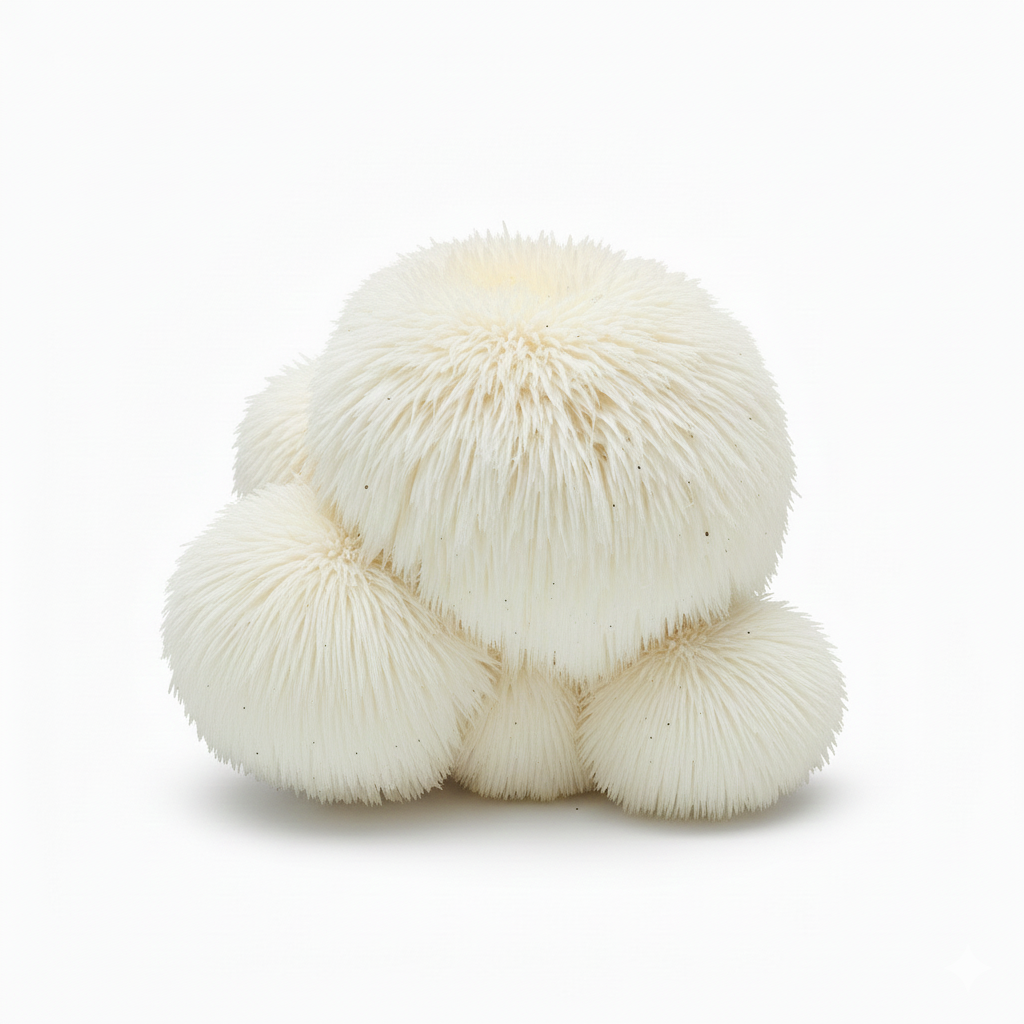 Image 3 of 3
Heat Tolerant Lion’s Mane Liquid Culture FAQ
What is the scientific name of Heat Tolerant Lion’s Mane?
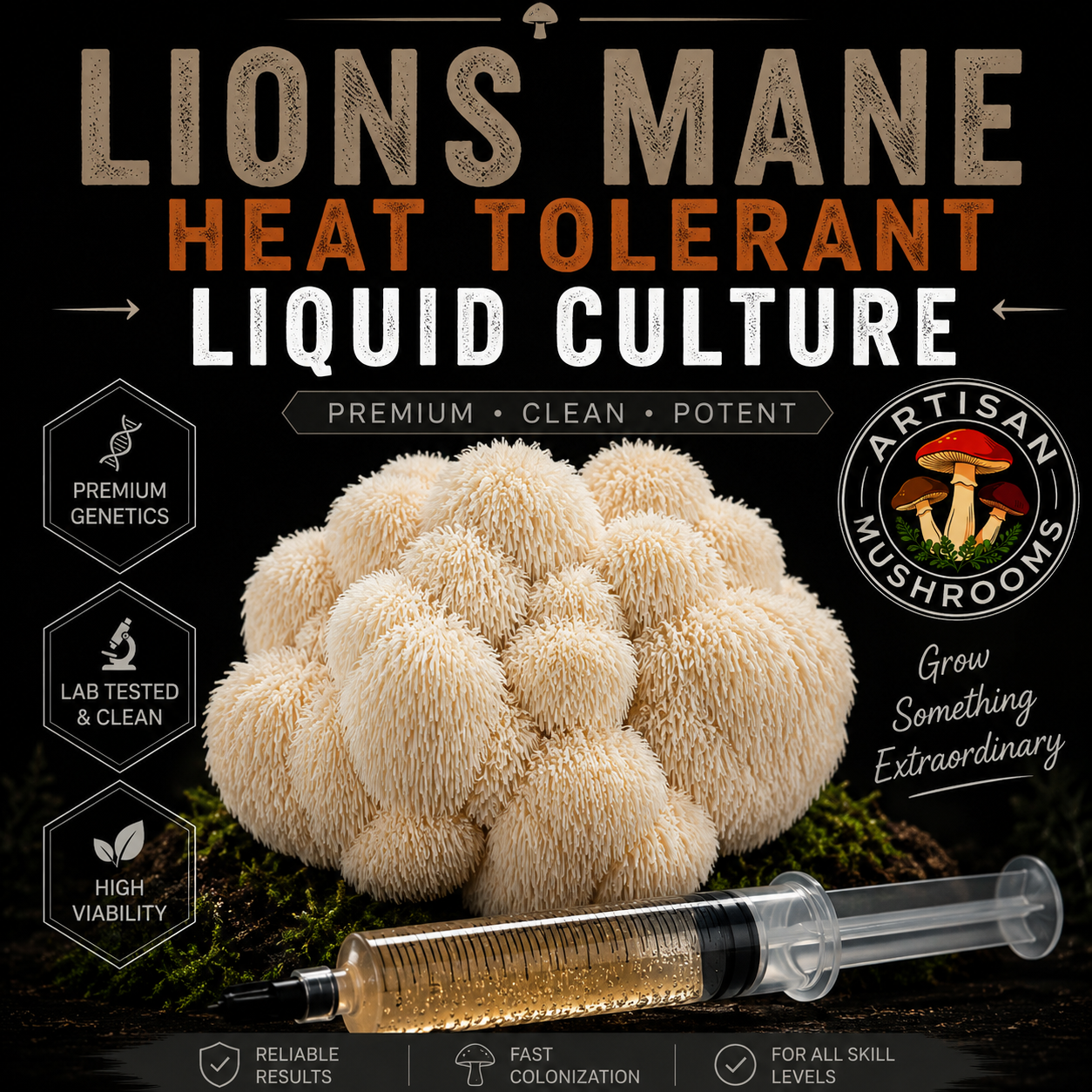
The scientific name for Heat Tolerant Lion’s Mane is Hericium erinaceus.
It is a selected Lion’s Mane strain valued for its ability to colonise and fruit under somewhat warmer conditions than many standard Lion’s Mane cultures.
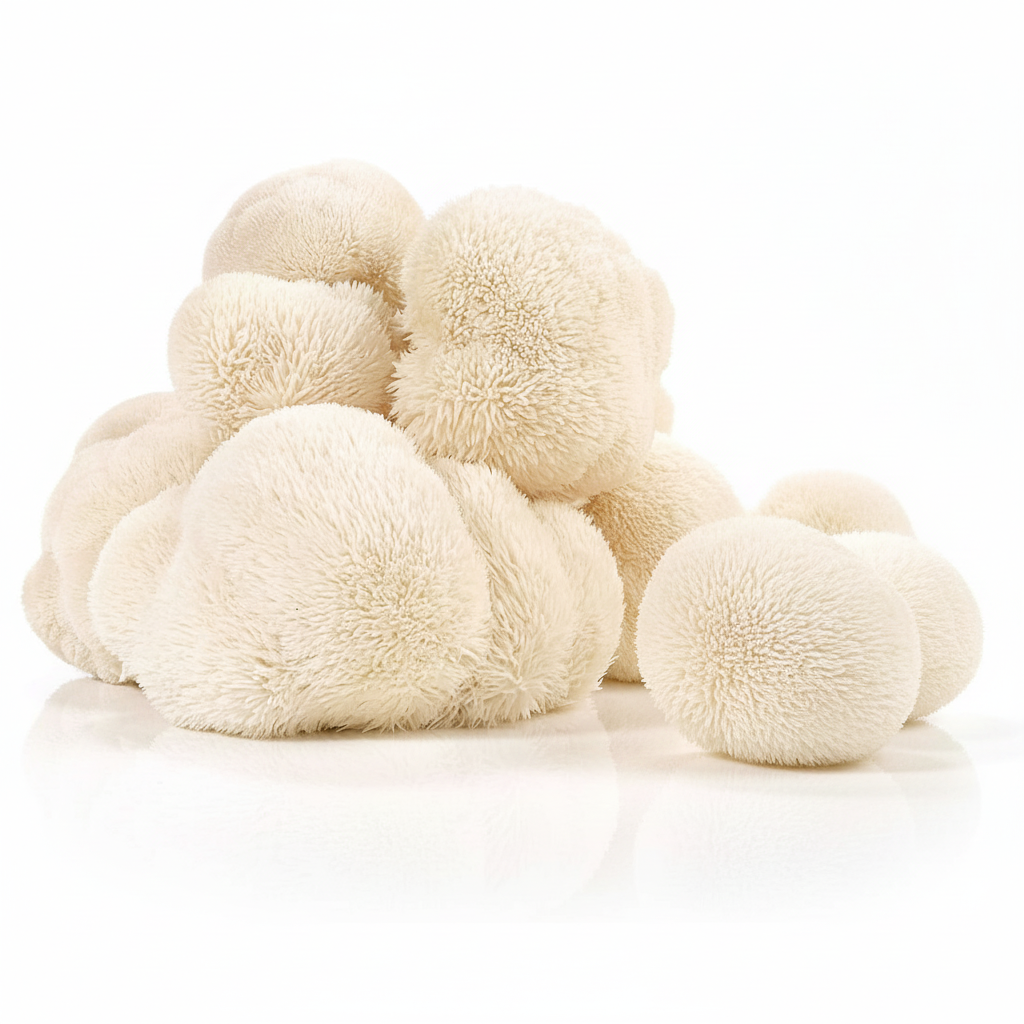
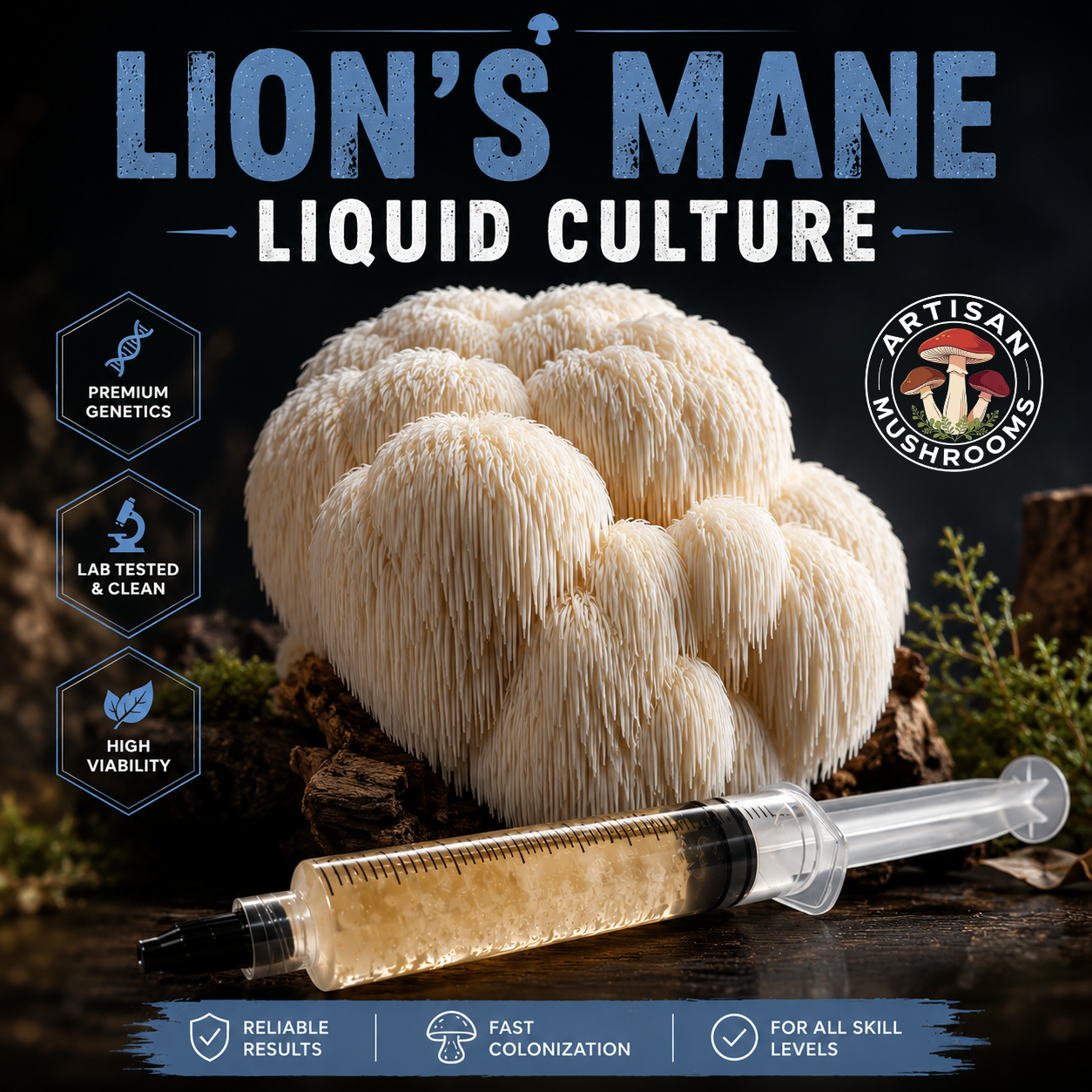
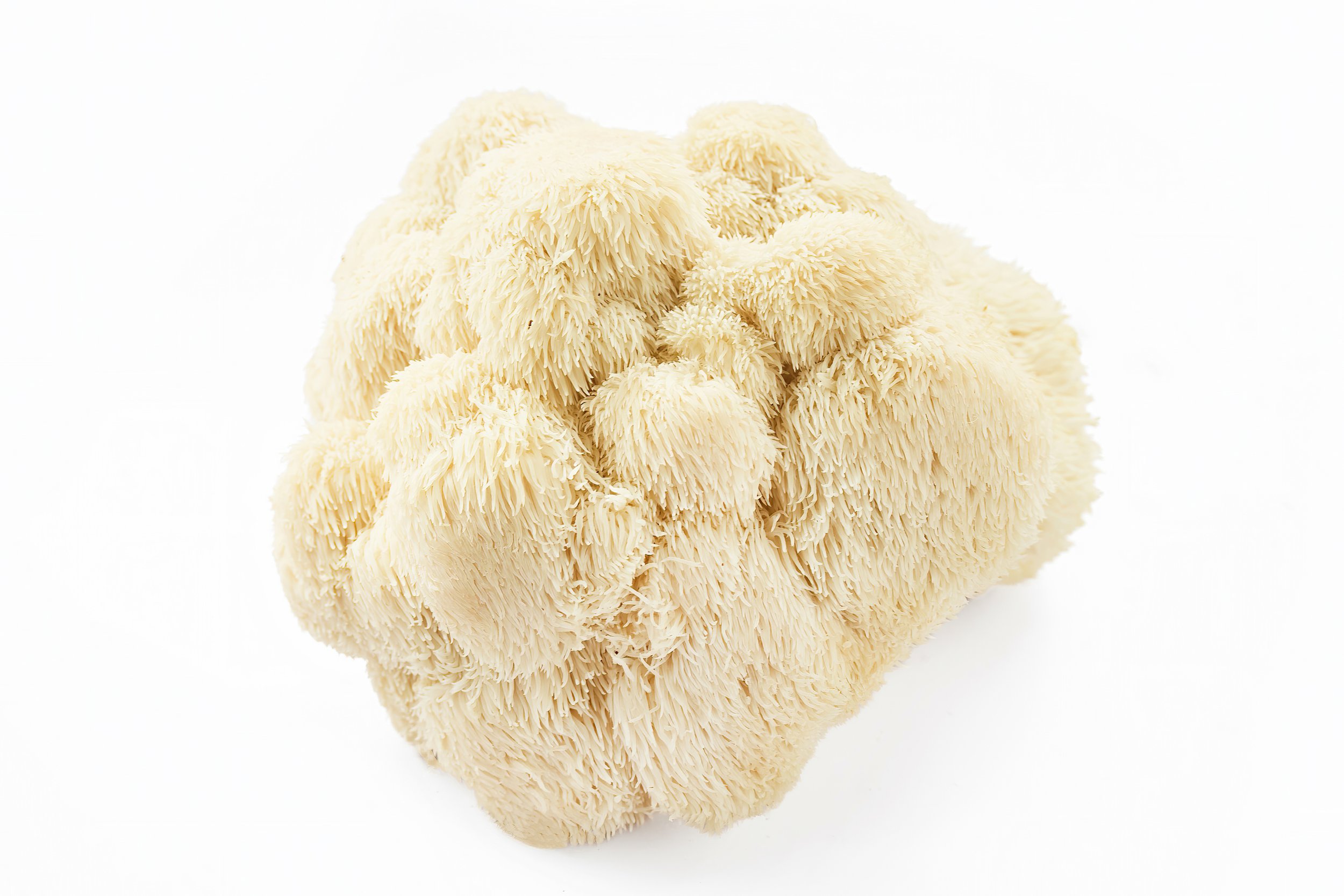
Like classic Lion’s Mane, it produces distinctive white fruiting bodies covered in soft, downward-hanging spines. The appearance, density and length of the spines can vary depending on temperature, humidity and fresh-air exchange.
How is Heat Tolerant Lion’s Mane different from standard Lion’s Mane?
Heat Tolerant Lion’s Mane and standard Lion’s Mane are both Hericium erinaceus.
The main difference is that the heat-tolerant strain has been selected for stronger growth and more reliable fruiting under warmer conditions. This can make it a useful option for growers cultivating during summer or in naturally warm indoor spaces.
Heat tolerant does not mean that extremely hot conditions are ideal. Excessive heat can still slow growth, dry the developing mushrooms and reduce fruiting quality.
The best results are generally achieved by keeping conditions as stable as possible while avoiding prolonged exposure to extreme temperatures.
What substrate is best for growing Heat Tolerant Lion’s Mane?
Heat Tolerant Lion’s Mane grows particularly well on sterilised hardwood-based substrates.
Supplemented hardwood sawdust containing hardwoods such as oak or beech is an excellent choice for indoor cultivation. Adding a nutritious supplement such as wheat bran can support healthy mycelial growth and mushroom production.
Supplemented hardwood substrate must be properly sterilised because its higher nutrient content makes it more susceptible to contamination.
Our 2kg Sterilised Hardwood and Wheat Bran Substrate provides a prepared fruiting substrate suitable for growing Heat Tolerant Lion’s Mane.
Lion’s Mane can also be cultivated outdoors on suitable hardwood logs, although log cultivation generally takes considerably longer than indoor cultivation using sterilised grain and supplemented hardwood substrate.
Can I inoculate a grow bag directly?
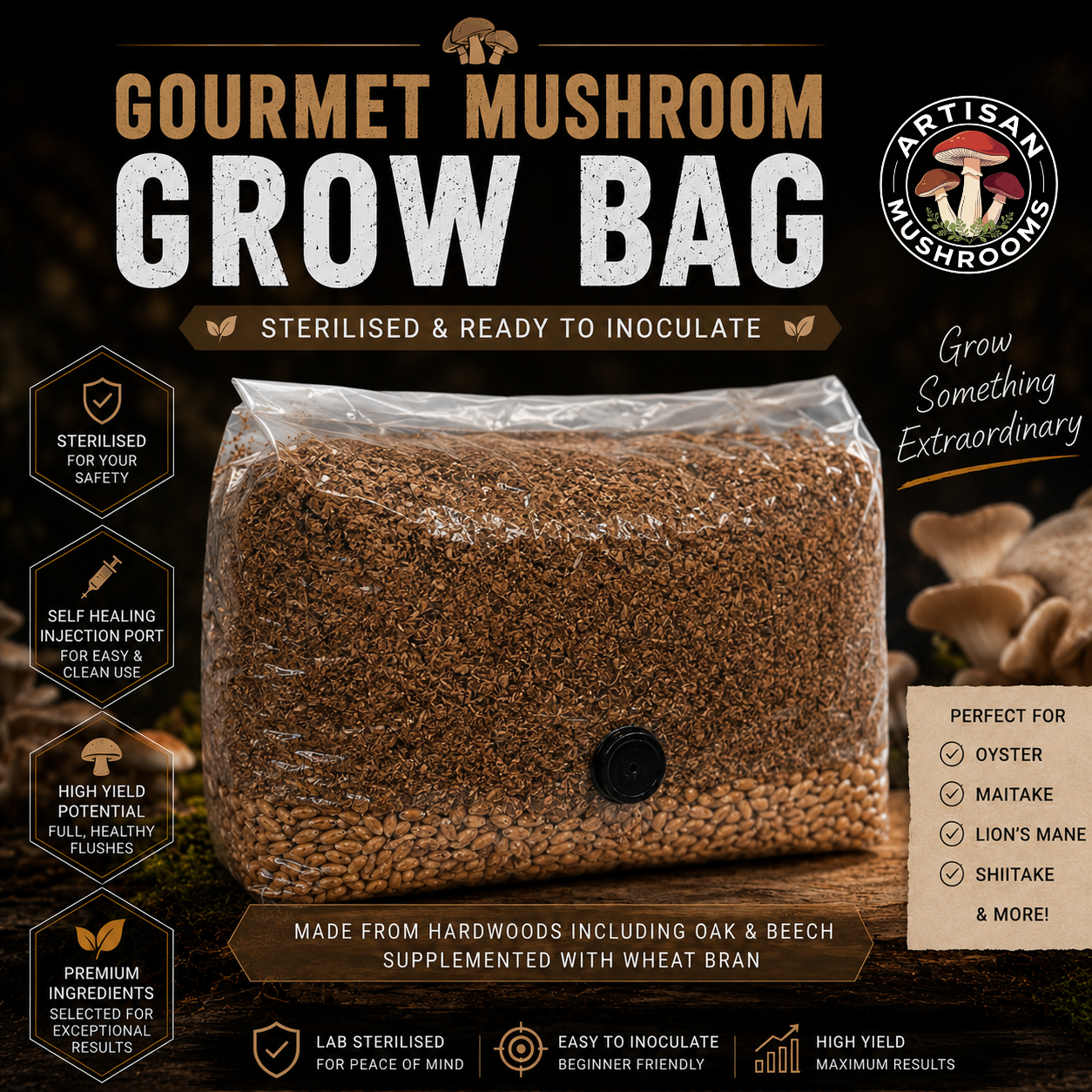
Yes. Heat Tolerant Lion’s Mane liquid culture can be injected directly into our Sterile Hardwood Mushroom Grow Bag using a sterile needle and the self-healing injection port.
The bag contains a sterilised hardwood-based substrate supplemented with wheat bran, allowing the liquid culture to be introduced without preparing and pressure sterilising your own growing medium.
Heat Tolerant Lion’s Mane mycelium can colonise a suitable hardwood grow bag directly. However, the more traditional method is to first inoculate sterilised grain.
Once the grain has fully colonised, it can be mixed with a sterilised hardwood fruiting substrate. Using colonised grain helps distribute the mycelium more evenly throughout the final substrate and can provide faster, more consistent colonisation.
Can Heat Tolerant Lion’s Mane liquid culture be used on grain?
Yes. Sterilised grain is commonly used as the first stage of Heat Tolerant Lion’s Mane cultivation.
The liquid culture can be injected into our 2kg Sterilised Wheat Grain Bag and allowed to colonise the grain, creating Heat Tolerant Lion’s Mane grain spawn.
Once the grain is fully colonised, it can be mixed with our 2kg Sterilised Hardwood and Wheat Bran Substrate for colonisation and fruiting.
Lion’s Mane mycelium can sometimes appear fine, wispy or less dense than Oyster mushroom mycelium. This does not necessarily indicate weak or unsuccessful growth.
Allow the grain sufficient time to colonise before transferring it to the hardwood fruiting substrate.
Do you sell sterilised grain and substrate?
Yes. We offer pre-sterilised wheat grain bags, sterilised hardwood and wheat bran substrate, and ready-to-inoculate hardwood grow bags to simplify the cultivation process.
Using prepared grain and substrate removes the need to hydrate, mix and pressure sterilise your own growing media. It reduces the amount of specialist equipment required and can help lower the risk of contamination.
A typical growing process is:
Inoculate a pre-sterilised grain bag with Heat Tolerant Lion’s Mane liquid culture.
Allow the grain to become fully colonised with mycelium.
Mix the colonised grain spawn with a sterilised hardwood and wheat bran substrate.
Allow the hardwood substrate to become fully colonised.
Make a small fruiting opening in the side of the bag.
Introduce high humidity, regular fresh air and gentle indirect lighting.
Harvest when the white spines are well developed but before the mushroom begins to yellow or dry out.
Alternatively, our Sterile Hardwood Mushroom Grow Bag provides a simpler all-in-one option.
The Heat Tolerant Lion’s Mane liquid culture can be injected directly through the self-healing injection port without preparing separate grain or substrate.
Is Heat Tolerant Lion’s Mane suitable for beginners?
Yes. Heat Tolerant Lion’s Mane can be grown successfully by beginners, particularly those who struggle to maintain the cooler conditions preferred by some standard Lion’s Mane cultures.
It may be a useful choice for growing during warmer months or in homes where indoor temperatures remain relatively high.
Clean handling, high humidity and regular fresh-air exchange are still important. Heat tolerance does not remove the need to provide suitable growing conditions.
Using pre-sterilised grain and ready-to-use hardwood substrate simplifies the process because you do not need to prepare and sterilise the growing media yourself.
The ready-to-inoculate hardwood grow bag is the most straightforward option for growers who want to inject the culture directly into a prepared fruiting substrate.
How should I store the liquid culture?
Keep the Heat Tolerant Lion’s Mane liquid culture syringe refrigerated at approximately 2°C to 4°C until you are ready to use it. Do not freeze it.
For the best viability, use the culture within three months of receiving it.
Before inoculation, allow the syringe to come closer to room temperature and shake it gently to distribute the mycelium throughout the nutrient solution.
Always keep the protective cap fitted while the syringe is in storage. Attach a new sterile needle immediately before inoculating grain, agar or a grow bag.
The term heat tolerant refers to the strain’s cultivation characteristics. It does not mean that the liquid culture syringe should be stored at warm temperatures.
How much liquid culture should I use?
The amount of liquid culture required depends on the size and type of growing medium.
For one of our sterile LME agar plates, one or two small drops are normally sufficient.
A small grain jar may require approximately 1 to 2 ml, while a larger grain or hardwood substrate bag may require approximately 5 to 10 ml.
Using too much liquid culture can introduce excess moisture into the grain, which may increase the risk of bacterial contamination. Always use an appropriate amount for the size and existing moisture content of the growing medium.
When inoculating our 2kg Sterilised Wheat Grain Bag, approximately 5 to 10 ml can be used and distributed across several areas of the grain.
Does the syringe contain mushroom spores?
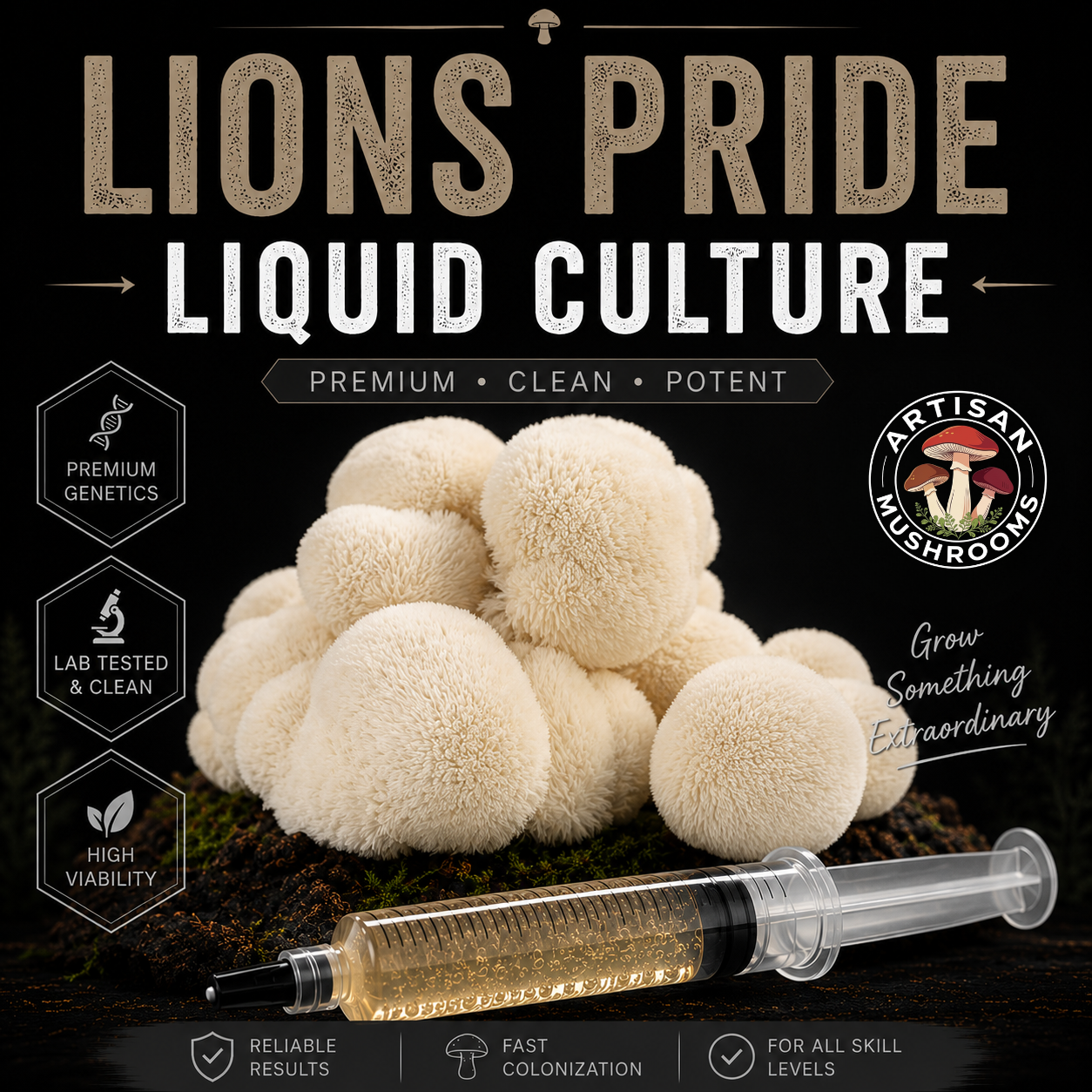
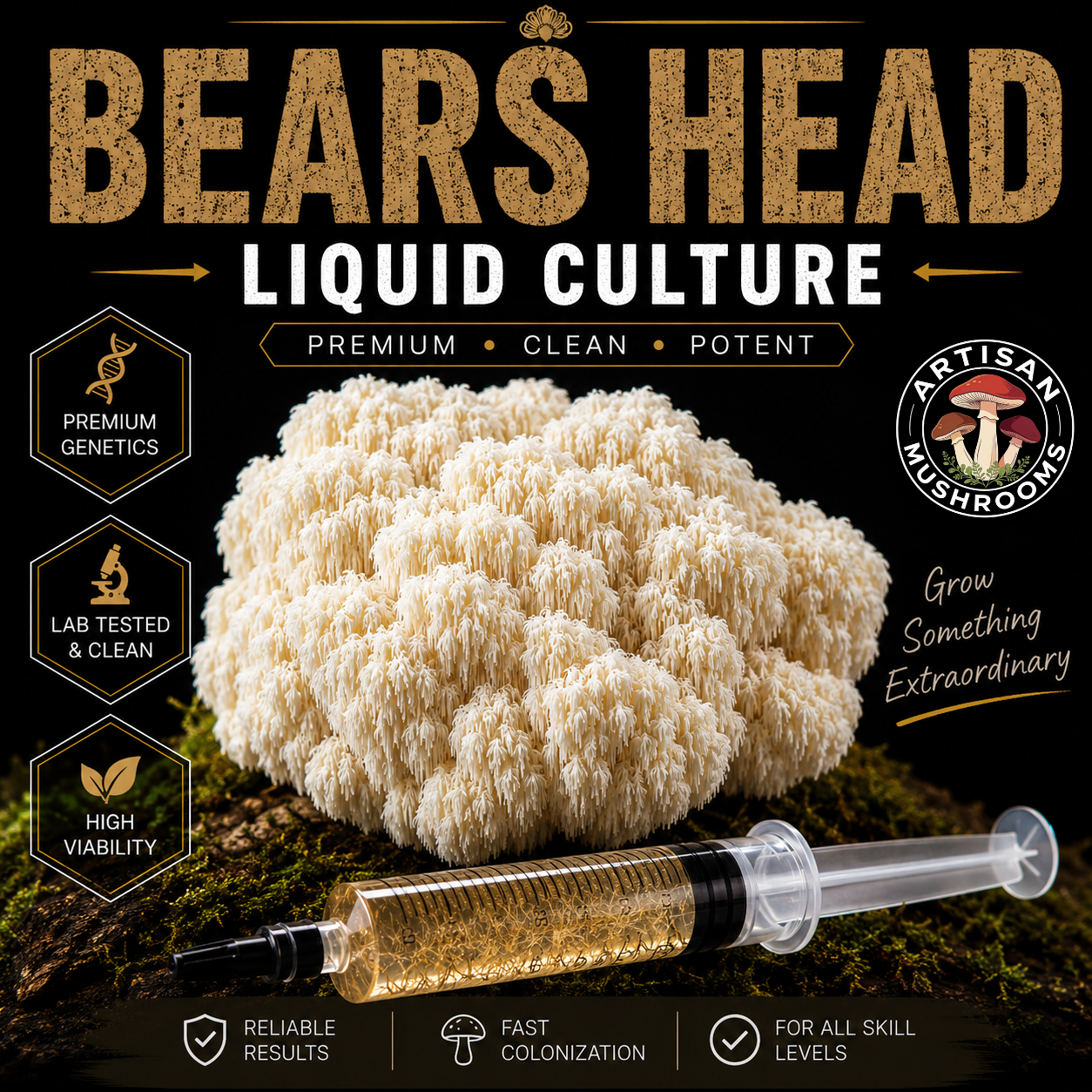
No. Heat Tolerant Lion’s Mane liquid culture contains living Hericium erinaceus mycelium suspended in a sterile nutrient solution.
It is not a mushroom spore solution.
Because the mycelium is already actively growing, liquid culture can provide faster and more predictable colonisation than starting from mushroom spores.
The culture can be used to inoculate sterilised grain, a suitable hardwood grow bag or a sterile LME agar plate.
What conditions does Heat Tolerant Lion’s Mane need to colonise?
Heat Tolerant Lion’s Mane generally colonises well under moderate to warm conditions.
Suitable starting conditions normally include:
Temperatures of approximately 20°C to 26°C
Darkness or low ambient light
A stable and clean growing environment
Gas exchange through the bag’s filter patch
Minimal disturbance while the mycelium becomes established
The heat-tolerant culture may continue growing effectively at temperatures that cause some standard Lion’s Mane strains to slow down. However, consistently excessive heat should still be avoided.
Lion’s Mane mycelium can appear thin and wispy during the early stages of colonisation and may not produce the dense white appearance associated with Oyster mushroom mycelium.
The grain or hardwood substrate should be allowed to colonise fully before fruiting conditions are deliberately introduced.
Check the bag regularly because Lion’s Mane can sometimes begin producing small fruiting bodies before the substrate appears completely white.
What conditions does Heat Tolerant Lion’s Mane need to fruit?
Heat Tolerant Lion’s Mane can generally fruit under somewhat warmer conditions than many standard Lion’s Mane strains.
Suitable starting conditions normally include:
Temperatures of approximately 18°C to 25°C
Relative humidity of approximately 85% to 95%
Regular fresh-air exchange
Gentle indirect daylight or artificial lighting
The strain may tolerate short periods above this range, but prolonged excessive heat can still affect mushroom shape, colour and quality.
High humidity helps prevent the developing fruiting body and its delicate white spines from drying out. However, water should not remain continuously on the mushroom because excessive surface moisture can cause discolouration or poor development.
Fresh air is especially important for producing a rounded fruiting body with long, cascading spines. Insufficient fresh-air exchange may result in compact, coral-like or poorly developed growth.
A digital thermometer and hygrometer can help you monitor temperature and humidity throughout colonisation and fruiting.
Can Heat Tolerant Lion’s Mane be grown during summer?
Yes. Heat Tolerant Lion’s Mane is a better option than many standard Lion’s Mane strains for growers working during warmer weather.
It may continue colonising and fruiting successfully at temperatures that would slow or stress a more temperature-sensitive culture.
However, the growing area should still be protected from direct sunlight, enclosed hot spaces and prolonged extreme temperatures.
During warm weather:
Keep the grow bag away from sunny windows.
Provide regular fresh-air exchange.
Maintain high surrounding humidity.
Avoid placing the block directly beside heaters or warm appliances.
Use the coolest stable area available.
Monitor conditions with a thermometer and hygrometer.
Heat tolerance improves flexibility, but it does not make temperature control completely unnecessary.
How should a Heat Tolerant Lion’s Mane grow bag be opened for fruiting?
Heat Tolerant Lion’s Mane is normally fruited through a small opening made in the side of the bag.
Once the substrate is sufficiently colonised, make a small X-shaped cut or short horizontal slit close to an area of strong mycelial growth.
Fruiting through a controlled side opening helps retain moisture inside the block while directing the mushroom towards a specific fruiting location.
Avoid removing the entire plastic bag from the substrate. Exposing too much of the block can cause it to dry out and may encourage numerous small fruiting bodies rather than one or two substantial mushrooms.
If the Lion’s Mane begins fruiting inside the sealed bag, make an opening close to the developing mushroom so it can continue growing outside the plastic.
Why is my Heat Tolerant Lion’s Mane developing coral-like growth?
Coral-like or highly branched growth is commonly caused by insufficient fresh-air exchange and elevated carbon dioxide levels.
Increase ventilation around the fruiting block while maintaining suitable humidity. Do not place the developing mushroom directly in a strong, drying airflow.
The mushroom may also form irregular shapes if it begins fruiting inside the bag or if several fruiting points develop at the same time.
Fruiting through one or two controlled openings can help produce larger and more evenly formed mushrooms.
Why is my Heat Tolerant Lion’s Mane turning yellow or brown?
Yellowing or browning can be caused by:
Low humidity
Excessively warm conditions
Direct misting
Water sitting on the fruiting body
Insufficient fresh-air exchange
Maturity or delayed harvesting
Maintain high surrounding humidity without continuously wetting the mushroom.
Gentle misting around the fruiting area is usually preferable to spraying the fruiting body directly.
A slight cream colour may develop naturally as Lion’s Mane matures. Significant yellowing, browning or drying can indicate that conditions need to be adjusted or that the mushroom is ready to harvest.
When should Heat Tolerant Lion’s Mane be harvested?
Heat Tolerant Lion’s Mane is best harvested when the fruiting body is full and firm and its white spines are clearly developed.
The spines should normally be allowed to lengthen before harvesting, but the mushroom should be collected before it becomes heavily yellowed, dry or soft.
Harvest by gently twisting the fruiting body away from the substrate or by cutting it cleanly near the base with a sterile knife.
After harvesting, remove any remaining mushroom material from the opening and return the block to suitable fruiting conditions.
A healthy substrate block may produce additional flushes after a resting period.
Where are your Heat Tolerant Lion’s Mane cultures shipped from?
All Heat Tolerant Lion’s Mane liquid cultures are prepared fresh under sterile laboratory conditions and shipped directly from Ireland.
Each order includes a 10 ml Heat Tolerant Lion’s Mane liquid culture syringe, a sterile 18G needle and an alcohol wipe.
Fast shipping is available to customers across Ireland, the UK, Europe, the United States and Canada.