 Image 1 of 3
 Image 2 of 3
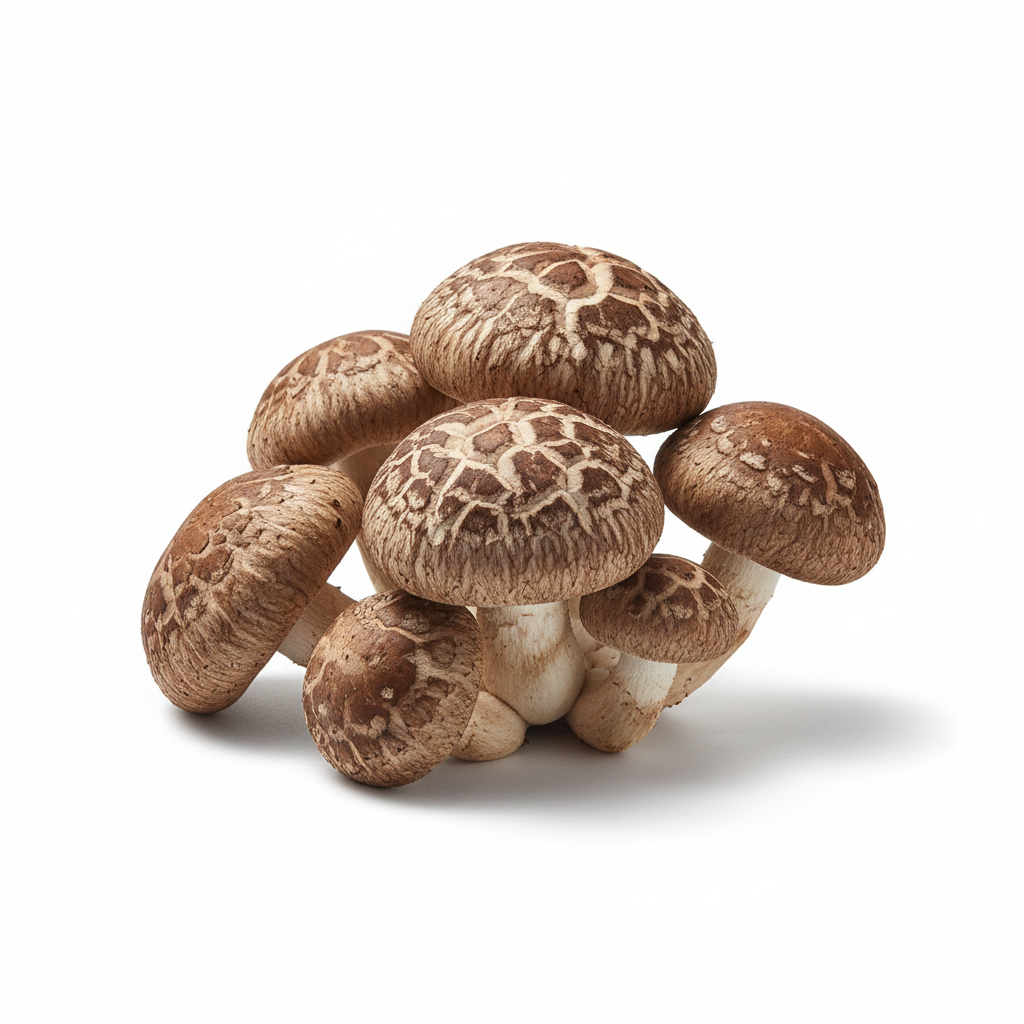 Image 3 of 3
Heat Tolerant Shiitake Liquid Culture FAQ
What is the scientific name of Heat Tolerant Shiitake?
The scientific name for Heat Tolerant Shiitake is Lentinula edodes.
Heat Tolerant Shiitake is a selected strain rather than a separate mushroom species. It has been chosen for reliable colonisation and fruiting in warmer cultivation conditions than those preferred by many traditional Shiitake strains.
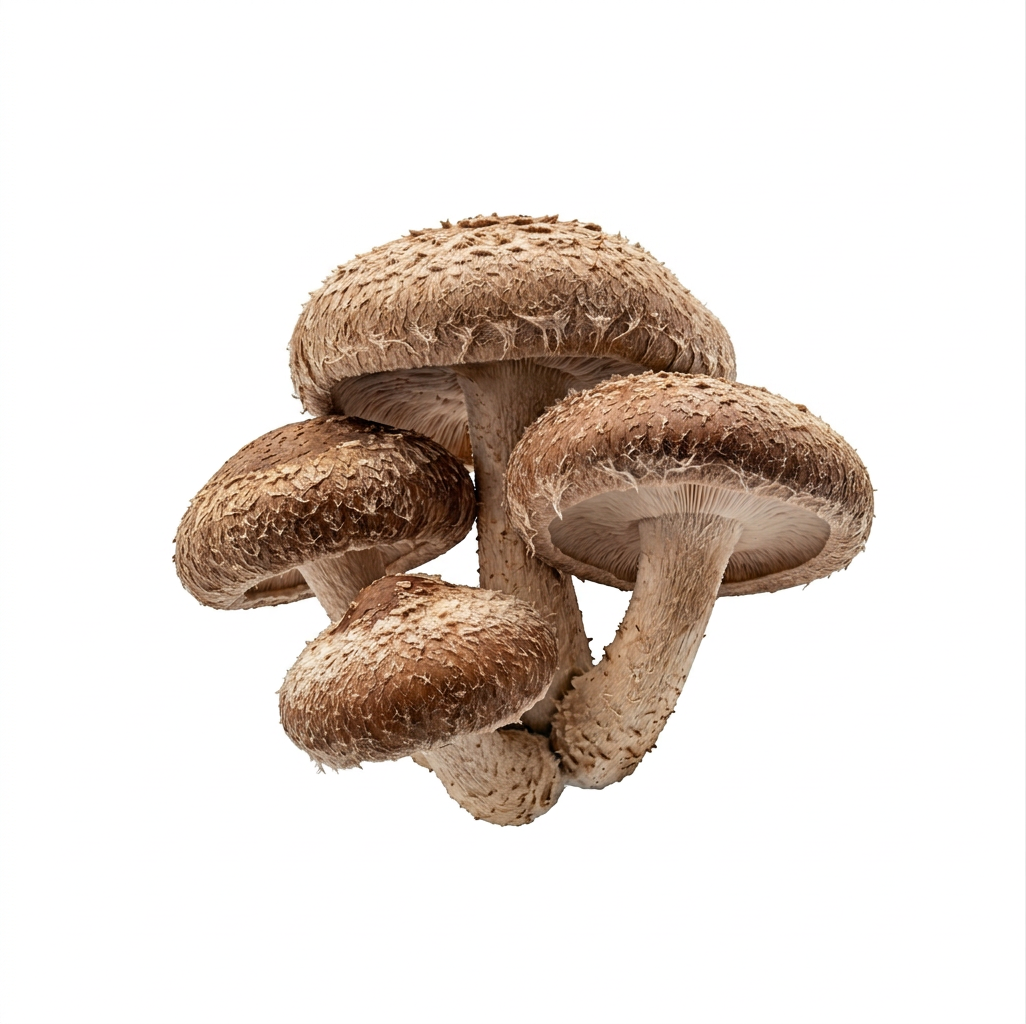
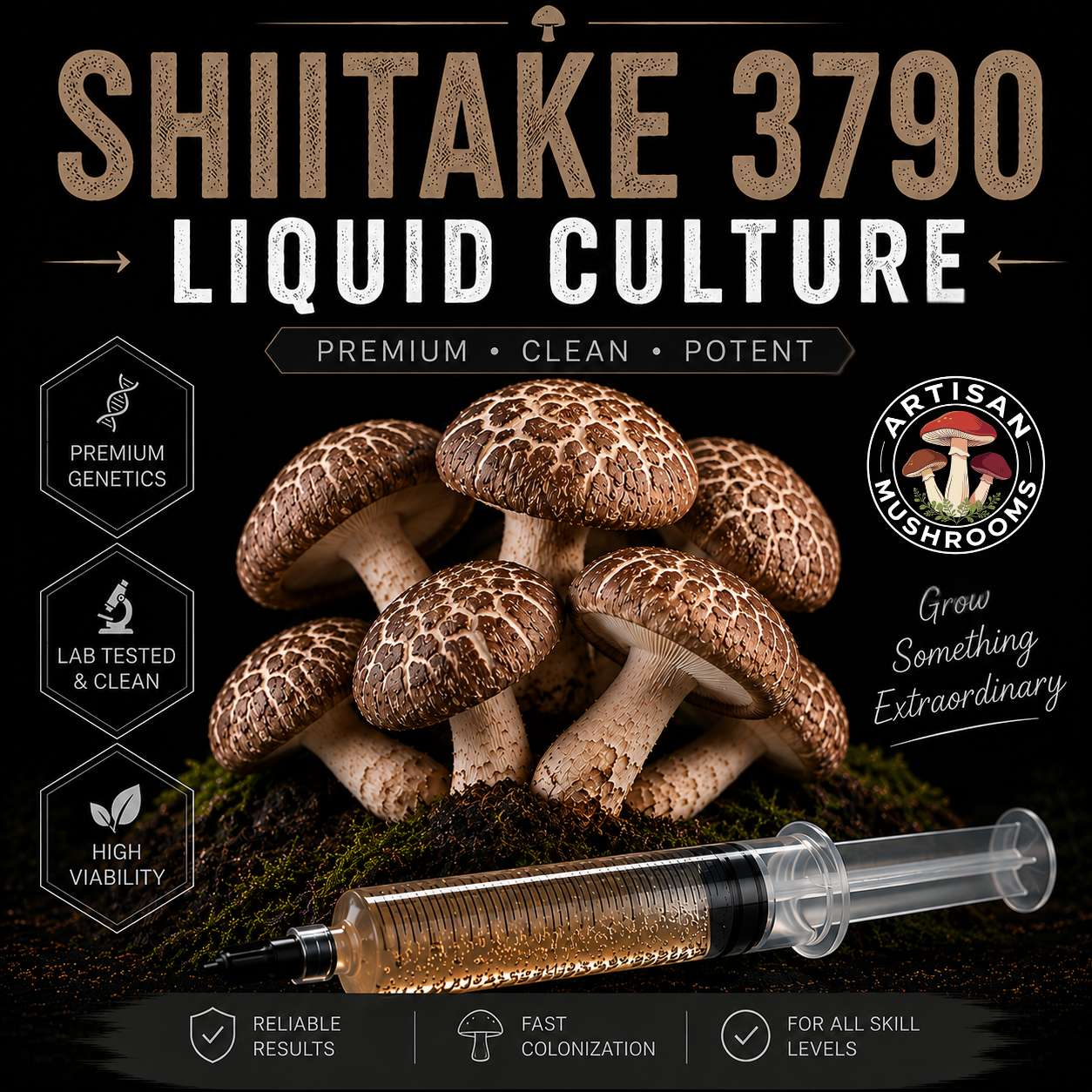
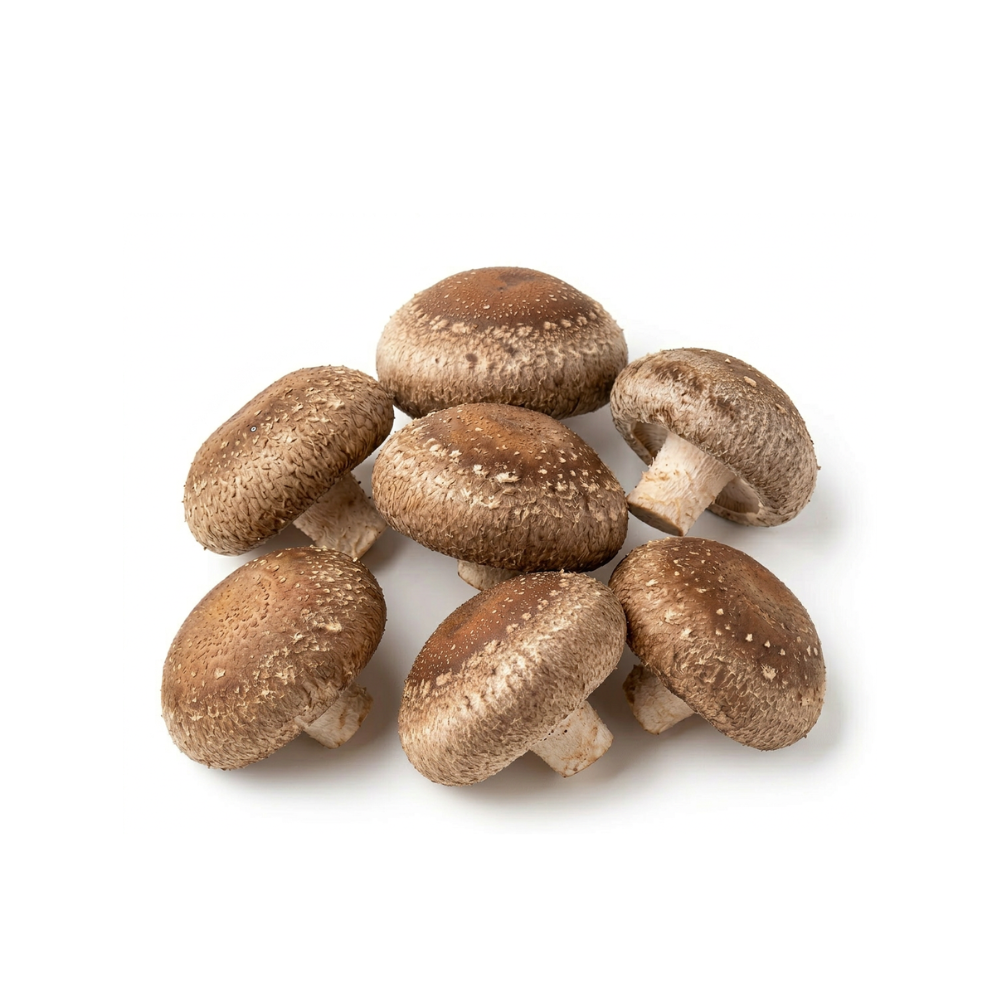
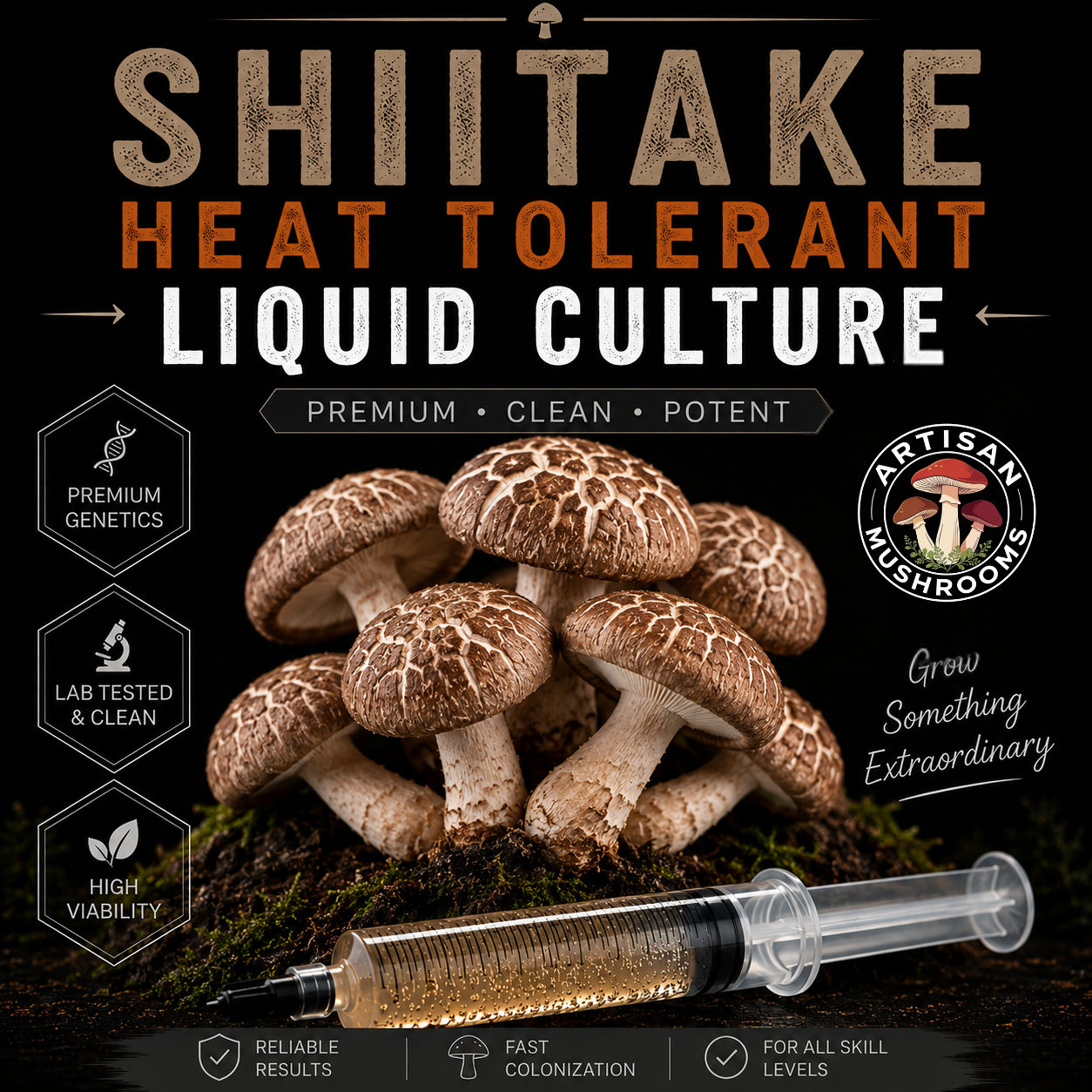
Like other Shiitake mushrooms, it produces attractive brown caps, pale gills and firm stems. Shiitake is valued for its rich flavour, firm texture and dependable cultivation characteristics.
How is Heat Tolerant Shiitake different from other Shiitake strains?
Heat Tolerant Shiitake has been selected for stronger growth and more reliable fruiting when cultivation temperatures are higher.
This can make it a useful choice for:
Growing during warmer months
Homes with naturally higher indoor temperatures
Grow rooms that are difficult to cool
Cultivation in warmer climates
Growers who have struggled to fruit traditional cool-weather Shiitake strains
Heat tolerant does not mean that the culture should be exposed to extreme heat. Excessively high temperatures can still slow mycelial growth, reduce mushroom quality and increase the risk of contamination.
The strain still requires full substrate colonisation, a proper maturation period, browning and suitable fruiting conditions.
What substrate is best for growing Heat Tolerant Shiitake?
Heat Tolerant Shiitake grows particularly well on sterilised hardwood-based substrates.
Supplemented hardwood sawdust containing hardwoods such as oak or beech is an excellent choice for indoor cultivation. Adding a moderate amount of wheat bran provides additional nutrition and can support healthy mycelial development and mushroom production.
Supplemented hardwood substrate must be properly sterilised because its higher nutrient content makes it more susceptible to contamination.
Our 2kg Sterilised Hardwood and Wheat Bran Substrate provides a prepared fruiting substrate suitable for growing Heat Tolerant Shiitake.
Shiitake can also be cultivated outdoors on suitable hardwood logs, although log cultivation may take a year or longer before the first mushrooms appear.
For detailed cultivation instructions, read our Shiitake mushroom growing guide.
Can I inoculate a grow bag directly?
Yes. Heat Tolerant Shiitake liquid culture can be injected directly into our Sterile Hardwood Mushroom Grow Bag using a sterile needle and the self-healing injection port.
The bag contains sterilised hardwood substrate supplemented with wheat bran, allowing the liquid culture to be introduced without preparing and pressure sterilising your own growing medium.
After inoculation, leave the bag sealed while the mycelium colonises and matures. Shiitake grows more slowly than many Oyster mushroom varieties, so the bag may require several weeks or months before it is ready for fruiting.
A more traditional method is to inoculate sterilised grain first. Once the grain has fully colonised, it can be mixed with sterilised hardwood fruiting substrate.
Using colonised grain can distribute the mycelium more evenly throughout the final substrate and provide faster, more consistent colonisation.
Can Heat Tolerant Shiitake liquid culture be used on grain?
Yes. Sterilised grain is commonly used as the first stage of Heat Tolerant Shiitake cultivation.
The liquid culture can be injected into our 2kg Sterilised Wheat Grain Bag and allowed to colonise the grain, creating Heat Tolerant Shiitake grain spawn.
Once fully colonised, the grain spawn can be mixed with our 2kg Sterilised Hardwood and Wheat Bran Substrate.
Shiitake mycelium may appear finer and less densely white than Oyster mushroom mycelium. This does not necessarily indicate weak or unsuccessful growth.
Allow the grain to become fully colonised before transferring it to the hardwood fruiting substrate.
Do you sell sterilised grain and substrate?
Yes. We offer pre-sterilised wheat grain bags, sterilised hardwood and wheat bran substrate, and ready-to-inoculate hardwood grow bags to simplify the cultivation process.
Using prepared grain and substrate removes the need to hydrate, mix and pressure sterilise your own growing media. It reduces the amount of specialist equipment required and can help lower the risk of contamination.
A typical growing process is:
Inoculate a pre-sterilised grain bag with Heat Tolerant Shiitake liquid culture.
Allow the grain to become fully colonised with mycelium.
Mix the colonised grain spawn with sterilised hardwood and wheat bran substrate.
Allow the hardwood block to become fully colonised.
Wait for raised white bumps, known as popcorning, to develop.
Allow the block to mature and develop a firm brown outer surface.
Remove the mature block from its bag.
Introduce suitable fruiting conditions with high humidity, fresh air and gentle lighting.
Harvest the mushrooms while the cap edges remain slightly curled underneath.
Alternatively, our Sterile Hardwood Mushroom Grow Bag provides a simpler all-in-one option.
The Heat Tolerant Shiitake liquid culture can be injected directly through the self-healing injection port without preparing separate grain or hardwood substrate.
Is Heat Tolerant Shiitake suitable for beginners?
Heat Tolerant Shiitake can be grown successfully by beginners, although it requires more patience than fast-growing Oyster mushroom varieties.
It can be a particularly useful Shiitake strain for beginners who cannot maintain consistently cool fruiting temperatures.
The most important part of Shiitake cultivation is allowing the block to mature fully. A Shiitake block should not be moved into fruiting conditions as soon as it appears white.
The block must first colonise, develop raised white bumps and form a firm brown outer surface. Attempting to fruit an immature block may result in poor yields or no mushrooms.
Using pre-sterilised grain and ready-to-use hardwood substrate simplifies the process because you do not need to prepare and sterilise the growing media yourself.
The ready-to-inoculate hardwood grow bag is the most straightforward option for growers who want to inject the culture directly into prepared Shiitake substrate.
How should I store the liquid culture?
Keep the Heat Tolerant Shiitake liquid culture syringe refrigerated at approximately 2°C to 4°C until you are ready to use it. Do not freeze it.
For the best viability, use the culture within three months of receiving it.
Before inoculation, allow the syringe to come closer to room temperature and shake it gently to distribute the Shiitake mycelium throughout the nutrient solution.
Always keep the protective cap fitted while the syringe is in storage. Attach a new sterile needle immediately before inoculating grain, agar or a grow bag.
The term heat tolerant refers to the strain’s cultivation characteristics. It does not mean that the liquid culture syringe should be stored at warm temperatures.
How much liquid culture should I use?
The amount of liquid culture required depends on the size and type of growing medium.
For one of our sterile LME agar plates, one or two small drops are normally sufficient.
A small grain jar may require approximately 1 to 2 ml, while a larger grain or hardwood grow bag may require approximately 5 to 10 ml.
Using too much liquid culture can introduce excess moisture into the grain or substrate, which may increase the risk of bacterial contamination.
When inoculating our 2kg Sterilised Wheat Grain Bag, approximately 5 to 10 ml can be used and distributed across several areas of the grain.
Does the syringe contain mushroom spores?
No. Heat Tolerant Shiitake liquid culture contains living Lentinula edodes mycelium suspended in a sterile nutrient solution.
It is not a mushroom spore solution.
Because the mycelium is already actively growing, liquid culture can provide faster and more predictable colonisation than starting from spores.
The culture can be used to inoculate sterilised grain, a suitable hardwood grow bag or a sterile LME agar plate.
What conditions does Heat Tolerant Shiitake need to colonise?
Heat Tolerant Shiitake generally colonises well under moderate to warm temperatures.
Suitable starting conditions include:
Temperatures of approximately 22°C to 27°C
A clean and stable growing environment
Darkness or low ambient light
Gas exchange through the bag’s filter patch
No direct sunlight
Minimal disturbance while the mycelium becomes established
The bag should remain sealed throughout colonisation and maturation.
Heat Tolerant Shiitake may maintain stronger growth at temperatures that cause some traditional Shiitake strains to slow down. However, prolonged exposure to extreme heat should still be avoided.
Depending on temperature, inoculation rate and substrate density, the block may require approximately 8 to 16 weeks to colonise and mature fully.
The mycelium may initially appear fine or patchy. As colonisation progresses, the block should become increasingly white before entering the popcorning and browning stages.
What are the popcorning and browning stages?
Once the Shiitake block is colonised, raised white bumps may begin developing across its surface. This is commonly known as the popcorning stage.
After popcorning, the outer surface should gradually change from white to brown. This creates a firm protective layer sometimes referred to as a rind or bark.
Browning is a normal and important part of Shiitake development. It does not usually indicate contamination.
Allow the block to become well browned and firm before attempting to fruit it. A fully white block may be colonised but still too immature to produce a strong flush.
Do not rush this stage. Proper maturation helps the block retain moisture and supports more reliable mushroom development.
What conditions does Heat Tolerant Shiitake need to fruit?
Heat Tolerant Shiitake can generally fruit under warmer conditions than traditional cool-weather Shiitake varieties.
Suitable starting conditions include:
Temperatures of approximately 18°C to 25°C
Relative humidity of approximately 85% to 95%
Regular fresh-air exchange
Gentle indirect daylight or artificial lighting
A clean growing environment
No direct sunlight
Exact temperature preferences can vary between strains. The heat-tolerant culture may also fruit successfully below this range, but it provides additional flexibility when cooler conditions are difficult to maintain.
High humidity is especially important while the first pins are developing. However, the block and mushrooms should not remain constantly soaking wet.
Regular fresh-air exchange helps encourage broad caps and balanced mushroom development. Insufficient fresh air may produce long stems and small caps.
A digital thermometer and hygrometer can help monitor conditions throughout colonisation, maturation and fruiting.
Does heat tolerant mean it can grow in extremely hot conditions?
No. Heat tolerant means that the strain is better suited to warmer conditions than many traditional Shiitake strains.
It does not mean that extreme temperatures are harmless. Prolonged excessive heat can:
Slow or stop mycelial growth
Dry the substrate
Reduce mushroom quality
Produce thin or poorly shaped caps
Increase the risk of bacterial contamination
Shorten the productive life of the block
Keep the growing area away from direct sunlight, hot windows, heaters and poorly ventilated enclosed spaces.
When possible, maintain stable temperatures within the recommended ranges rather than allowing repeated extreme temperature changes.
Can Heat Tolerant Shiitake be grown during summer?
Yes. Heat Tolerant Shiitake is a useful option for summer cultivation and warmer indoor environments.
It may continue colonising and fruiting successfully at temperatures that would reduce the performance of a cool-weather Shiitake strain.
During warm weather:
Keep the grow bag away from direct sunlight.
Use the coolest stable area available.
Provide regular fresh-air exchange.
Maintain suitable surrounding humidity.
Avoid enclosed spaces that trap excessive heat.
Monitor conditions with a thermometer and hygrometer.
Do not allow the block to dry out.
Heat tolerance provides greater flexibility, but the growing environment should still be managed carefully.
Does Heat Tolerant Shiitake need a cold shock or soak?
A mature Heat Tolerant Shiitake block may still benefit from a temperature change and cold-water soak before fruiting.
The block should first be fully colonised, firm and well browned. Do not soak a young or partially colonised block.
Once mature, the block can be soaked in clean, cool water for approximately 6 to 12 hours. Some growers use a clean weight to keep the block submerged.
After soaking:
Remove the block from the water.
Allow excess water to drain away.
Place the block into humid fruiting conditions.
Provide regular fresh air and gentle indirect light.
Avoid allowing water to collect continuously on the block.
The water does not need to be extremely cold. A moderate temperature reduction, hydration and change in environmental conditions can help encourage fruiting.
Should the grow bag be removed before fruiting?
Yes. Unlike Oyster mushrooms and Lion’s Mane, which are commonly fruited through a small opening in the plastic, a mature Shiitake block is normally removed from the bag before fruiting.
Wait until the block is fully colonised, popcorned, well browned and firm enough to hold its shape.
Carefully cut and remove the plastic without damaging the block. The exposed block can then be soaked if required and placed into a clean fruiting chamber or humidity-controlled growing area.
Maintain high humidity around the exposed block, but avoid keeping its surface continuously dripping wet.
Do not remove the plastic while the block is still soft, white or immature. An immature exposed block can dry out or become contaminated before it is ready to fruit.
Why is my Shiitake block fully white but not fruiting?
A fully white Shiitake block is usually colonised but may not yet be mature enough to fruit.
The block should be allowed to popcorn and develop a firm brown outer surface before fruiting conditions are introduced.
Other possible causes include:
The block has not matured for long enough
Incomplete colonisation inside the block
Insufficient humidity
Poor fresh-air exchange
Lack of indirect lighting
No meaningful change between incubation and fruiting conditions
An excessively dry substrate
Temperatures outside the preferred range
If the block appears healthy but remains white, leave it sealed and allow additional maturation time.
Why is my Shiitake block turning brown?
Browning is normally a healthy and necessary part of Shiitake block development.
As the block matures, its white surface gradually becomes brown and firm. This protective outer layer helps the block retain moisture and prepares it for fruiting.
Healthy browning is generally firm, dry-looking and attached to the surface of the block.
It should not be confused with wet, slimy, foul-smelling or rapidly spreading discolouration, which may indicate contamination.
Do not discard a healthy Shiitake block simply because it is becoming brown.
Why are my Shiitake caps thin or pale?
Thin or pale caps can be caused by:
Fruiting temperatures that are very warm
Insufficient fresh-air exchange
Low humidity
Inadequate lighting
Harvesting too late
An immature or exhausted block
Heat Tolerant Shiitake is designed to fruit under warmer conditions, but extremely warm temperatures may still produce thinner and paler mushrooms than cooler fruiting conditions.
Increase fresh-air exchange, maintain suitable humidity and provide gentle indirect lighting.
The mushrooms should not be exposed to direct sunlight or strong drying airflow.
Why are my Shiitake caps cracking?
Some patterned cracking can be normal and may be considered desirable, particularly when Shiitake is grown under cooler conditions.
Heavy or irregular cracking may be caused by low humidity, rapid drying or sudden changes in environmental conditions.
Increase the surrounding humidity and avoid placing the mushrooms directly in strong airflow.
Do not continuously spray the caps. Maintain suitable environmental humidity while allowing the mushrooms to remain fresh rather than soaking wet.
When should Heat Tolerant Shiitake mushrooms be harvested?
Heat Tolerant Shiitake mushrooms are best harvested when the caps have expanded but their edges remain slightly curled underneath.
Do not wait until every cap becomes completely flat or begins curling upwards. Overmature Shiitake can become drier and may have a shorter storage life.
Harvest individual mushrooms by gently twisting them away from the block or cutting them cleanly near the base with a sterile knife.
Remove any remaining stem material from the block after harvesting.
Can a Heat Tolerant Shiitake block produce more than one flush?
Yes. A healthy Heat Tolerant Shiitake block may produce several flushes.
After harvesting:
Allow the block to rest for approximately one to three weeks.
Keep it in a clean area with moderate humidity and airflow.
Do not keep the block continuously wet.
Once rested, soak it again in clean, cool water for approximately 6 to 12 hours.
Drain the block and return it to fruiting conditions.
Later flushes may be smaller than the first, but a healthy and well-maintained block can continue producing mushrooms until its available nutrients are depleted.
Where are your Heat Tolerant Shiitake cultures shipped from?
All Heat Tolerant Shiitake liquid cultures are prepared fresh under sterile laboratory conditions and shipped directly from Ireland.
Each order includes a 10 ml Heat Tolerant Shiitake liquid culture syringe, a sterile 18G needle and an alcohol wipe.
Fast shipping is available to customers across Ireland, the UK, Europe, the United States and Canada.